with Rental Properties
Owning rental property can be a powerful way to build long-term wealth and create more financial flexibility. When a property is rented to tenants, the income can help cover major expenses like the mortgage, taxes, insurance, maintenance, and property management. Over time, rental property can provide both ongoing cash flow and growing equity, giving owners more choice in how they spend their time and money. For me, some of the biggest benefits have been the consistency of residual income (I can be anywhere in the world and usually count on money arriving at the beginning of every month), the security of knowing I will always have a roof over my head somewhere (even if it’s on a couch or in an office because I have the house fully rented), and the sense that I’m building something larger than myself—a legacy asset paid for by others that will hopefully appreciate and provide value to my family. At one point, I rented out a room in my CoLiving home and used the income to spend a month in the mountains of Italy near Lago di Maggiore. The rent from that one room essentially covered what I spent on my month in Italy—a great example of how an existing asset can help make travel more affordable.
🏠 Benefits of Owning Rental Properties
There are several ways rental property can contribute to building wealth.
- Cash flow is the money left over after rental income is used to pay the property’s operating expenses and debt, and it may provide ongoing cash available for savings, reinvestment, or other financial goals.
- Appreciation is the potential increase in the property’s market value over time, which can build equity that may be realized if and when you sell, though it is not guaranteed and does not create monthly income.
- Equity building can occur as loan principal is paid down and as the property’s value potentially increases, which may improve your net worth over the long term.
- Tax benefits through legitimate business expenses and deductions may be available, depending on the property and your tax situation.
- Potential deductible expenses can include items such as mortgage interest, property taxes, insurance, repairs, maintenance, management fees, utilities, advertising, and other ordinary and necessary rental expenses, subject to current tax rules and your eligibility.
- Depreciation is a non-cash expense that generally allows owners of qualifying rental property to deduct the cost of the building (not the land) over a prescribed period, which can reduce taxable rental income and potentially lower overall tax liability.
- Leverage allows an investor to control a property with a relatively small amount of their own capital by using financing, which can magnify both potential gains and potential losses.
- Inflation protection may arise because rents and property values can increase over time, which can help offset the impact of inflation, though outcomes vary by market and property.
- Multiple income streams can come from different units, parking, storage, pet fees, or other permitted uses, potentially diversifying total rental income from a single property.
- Retirement security may be supported if rental properties eventually produce relatively stable net cash flow that can supplement other retirement income sources, though this is not guaranteed.
- Tangible assets such as real estate provide a physical property that can be used, improved, or repurposed, which some investors find reassuring compared to purely financial assets.
- Scalability is possible because investors may acquire additional properties, increase unit counts, or improve existing properties to potentially grow income and equity over time.
- Legacy building can occur when properties are held for the long term, potentially providing assets that can be gifted or passed to heirs, subject to estate, tax, and legal considerations.
- Creative investment strategies may include house hacking, renting by the room, traditional long-term rentals, and rent-to-own arrangements, each with its own risks, rules, and management demands.
- Control over the investment is greater with direct ownership, since the investor typically decides on improvements, rent levels (within legal limits), tenant screening criteria, financing structures, and when to refinance or sell.
- Long-term financial strategy benefits may include diversified income sources and potential wealth building, but results depend on the specific property, financing, expenses, risks, tax situation, and applicable laws, and are not assured.

🏠 Types of Rental Properties
Rental properties generally fall into three categories based on how long tenants stay: short-term, mid-term, and long-term rentals. Each offers a different balance of income potential, effort, and stability, so choosing the right mix depends on your goals, local regulations, and how hands-on you want to be as an owner.
| Rental Type | Typical Stay | Income Potential | Management Effort |
|---|---|---|---|
| Short-Term | Days to a few weeks (e.g., Airbnb) | Highest per night, but variable occupancy | High – frequent turnover, cleaning, guest communication |
| Mid-Term | 1–6 months (e.g., traveling professionals, CoLiving) | Steady, moderate rates with fewer vacancies | Moderate – less turnover than short-term, some flexibility needed |
| Long-Term | 6+ months to multi-year leases | Lower per month, but predictable and stable | Low – minimal turnover, consistent tenants |

🏠 My Rental Property Experience
My experience with rental property began in my teenage years, when my family owned and operated several real estate holdings. I started with the fundamentals—mowing lawns, painting closet doors, and cleaning carpets—and gradually learned the business from the ground up. Over time, my responsibilities expanded to include collecting rent, handling bookkeeping, managing payroll, and supporting marketing efforts.
That hands-on work led to managing a 60-unit apartment complex and, later, a property with 48 residential units and 13 commercial units. In total, I spent roughly 15 years managing family-owned rental properties before intentionally downsizing.
Today, I own four properties that span short-term, mid-term, and long-term rentals, including Airbnb and CoLiving arrangements. I currently manage 11 tenants and continue to explore new ways that real estate can support a flexible lifestyle and long-term financial independence.
Blog Posts and Videos – COMING SOON
Helpful real-estate articles and videos will be available here soon.
Current Rentals Available FOR RENT
Explore current rental home availability and review each listing for specific details. Any available rental space I have will be listed here.
Browse Zillow Rentals
Current Investment Properties Available FOR SALE
If you are looking for an investment property, complete the Contact Form with your search criteria. I’ll start right away to help you find a property that fits your goals.
🏠 The Joy of Rentals
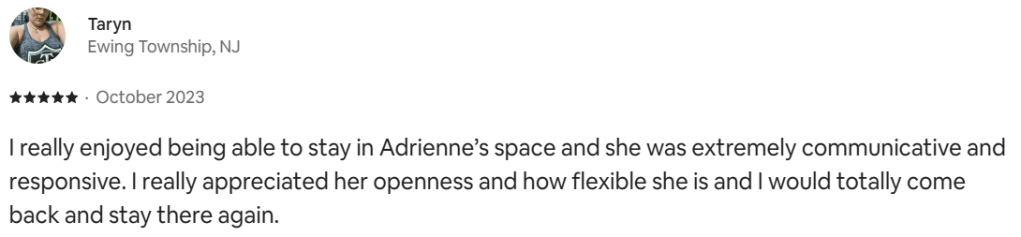
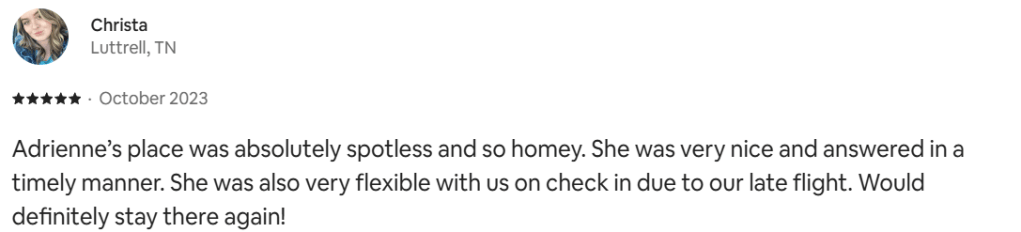
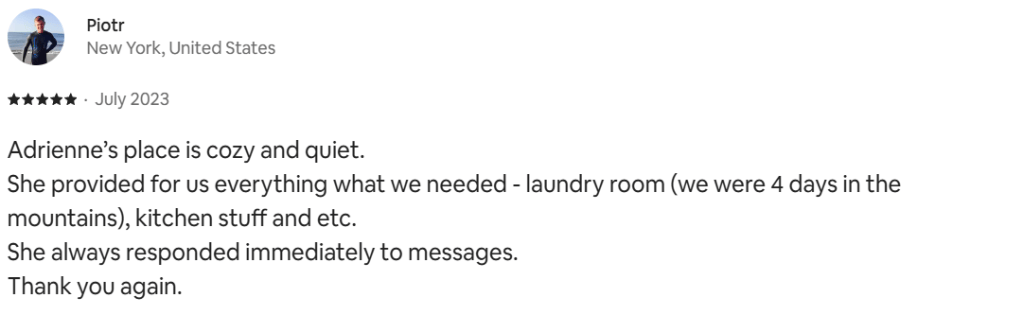
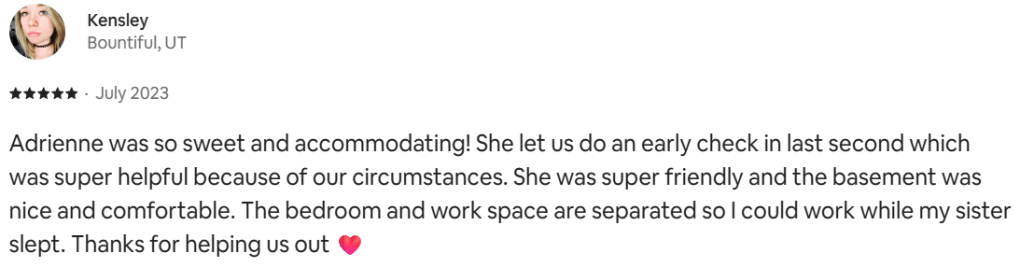
I personally manage my own rental properties, and that makes all the difference. I make a real effort to get to know my tenants and guests—I’ve gone to lunch with them, headed out on hikes together, and even planned pizza nights for the house—so I have a real sense of who they are and what feels like a good fit for them. I learned this from my father, who always showed me that when you sit down with people, listen closely, and work together to find the best solution for *them*, you build trust and create a strong foundation so that, when any issues do come up, you can navigate them together with everyone’s best interests in mind. This kind of personal connection and flexibility is something a typical property management company may not offer—and it’s exactly what sets the experience of renting from me apart.
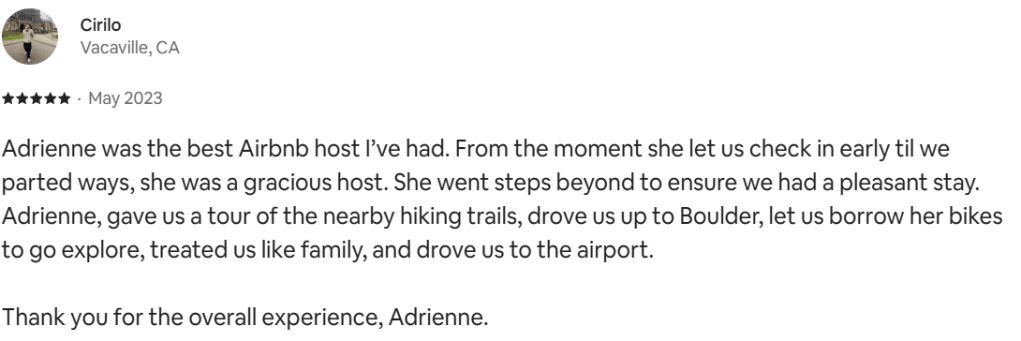
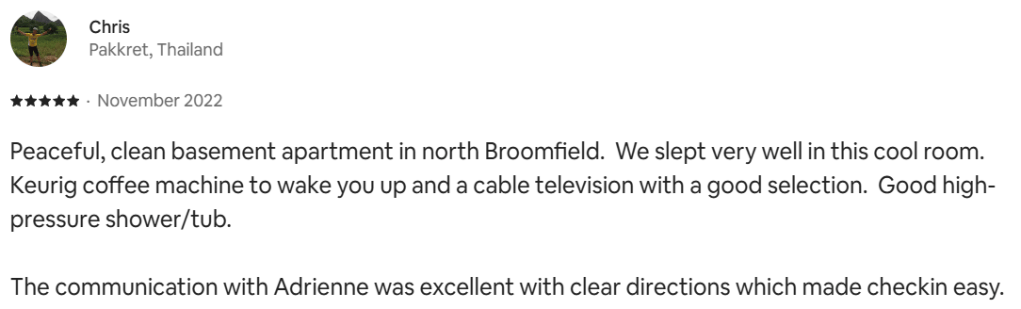
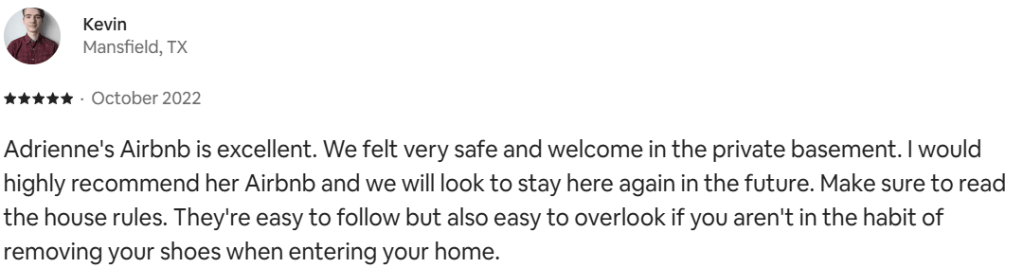
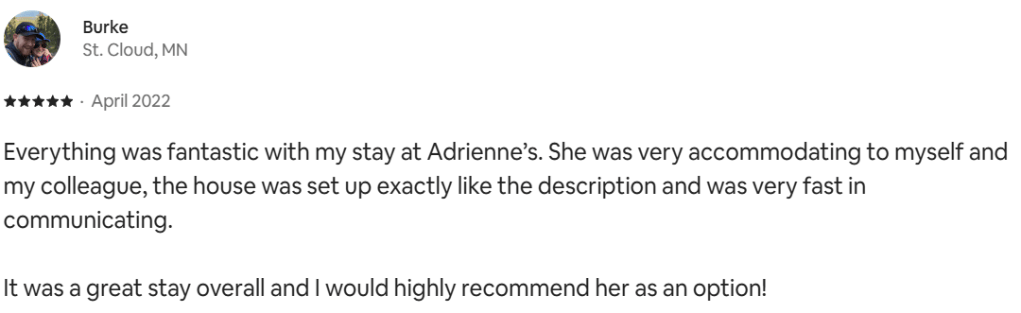
Reviews – From tenants
Tenant testimonials coming soon.
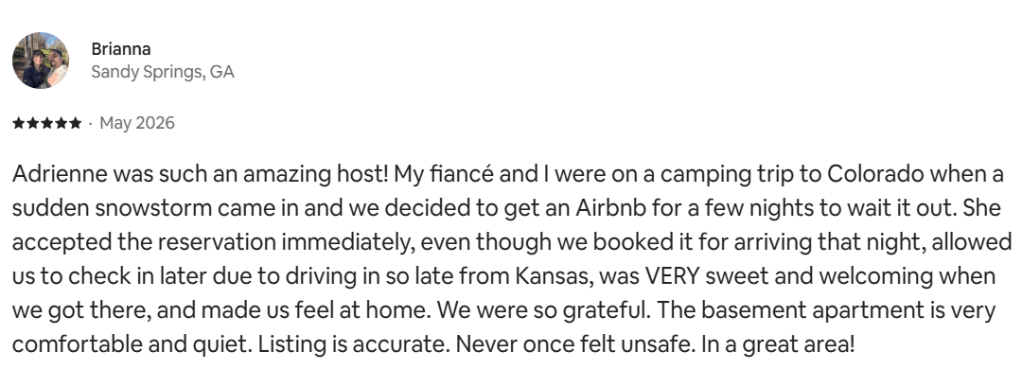
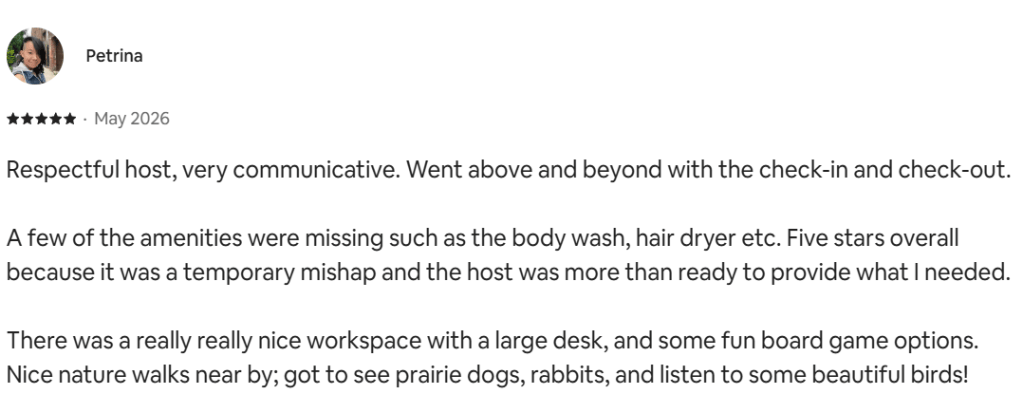
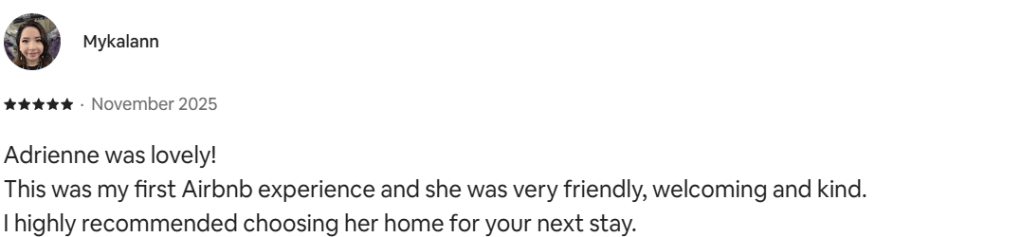
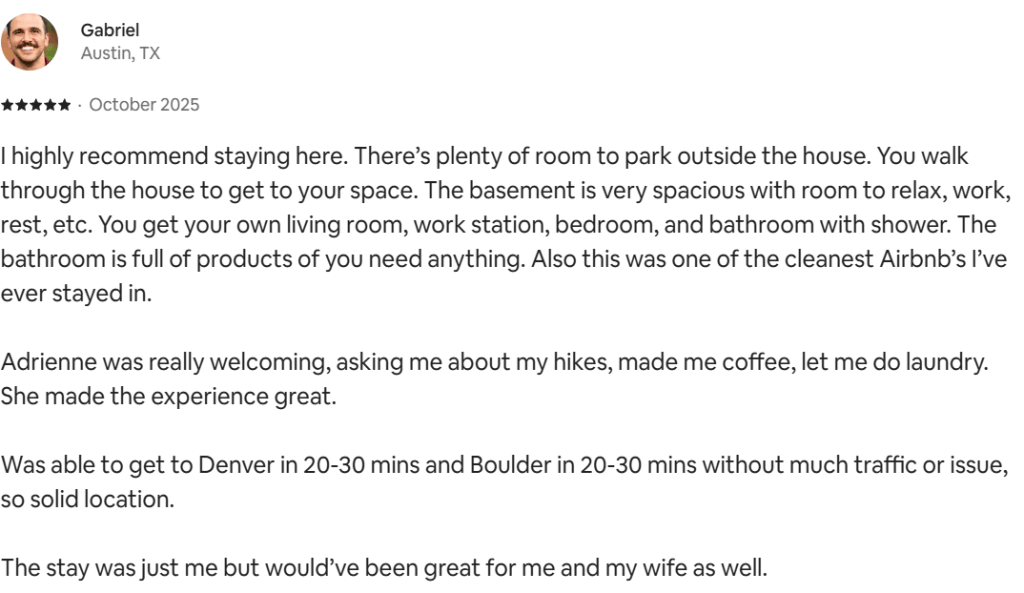
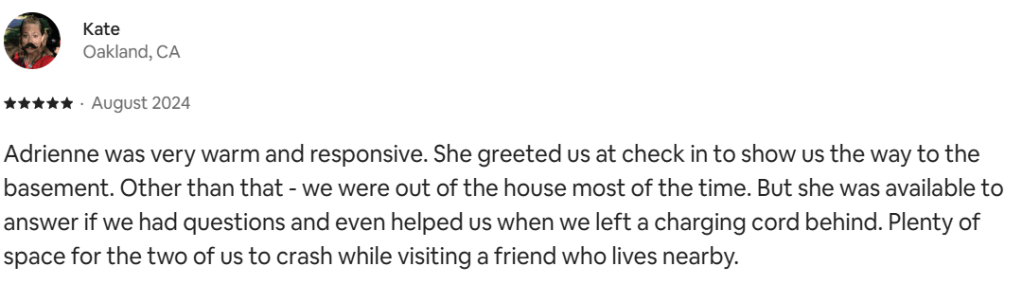
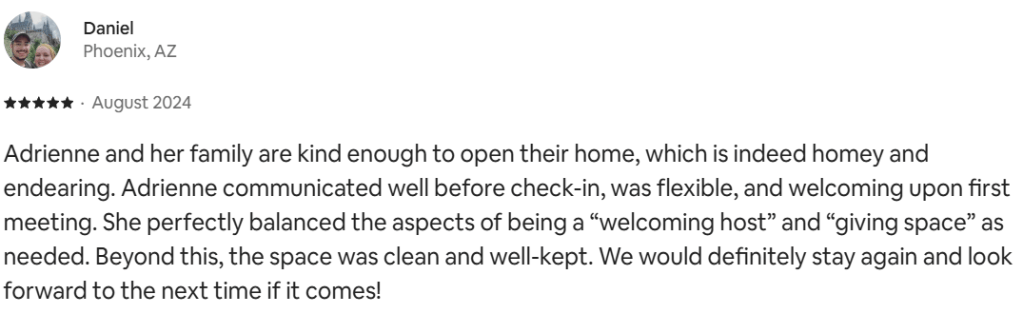
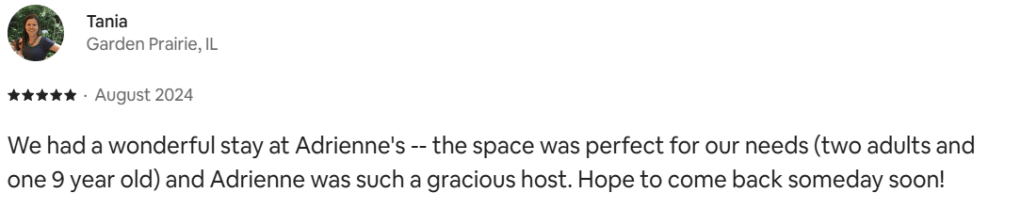
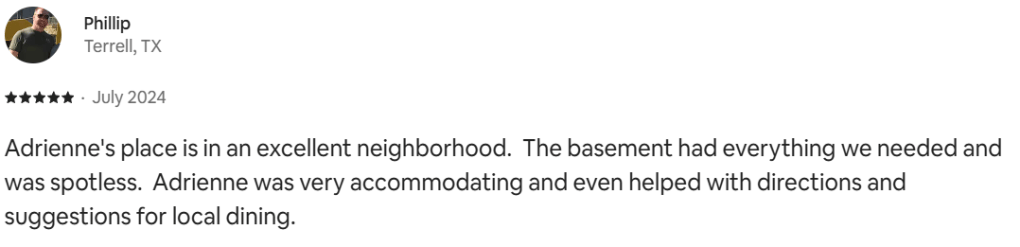
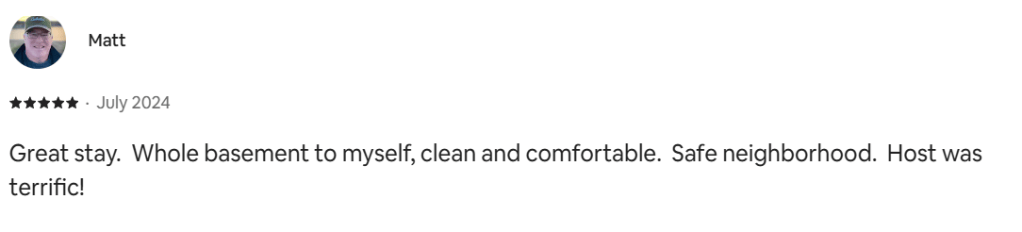
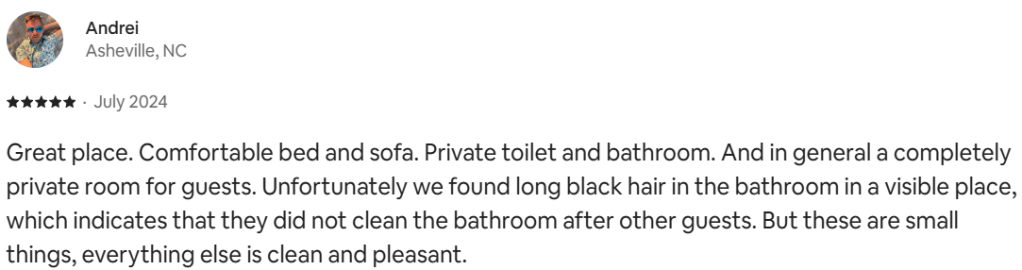
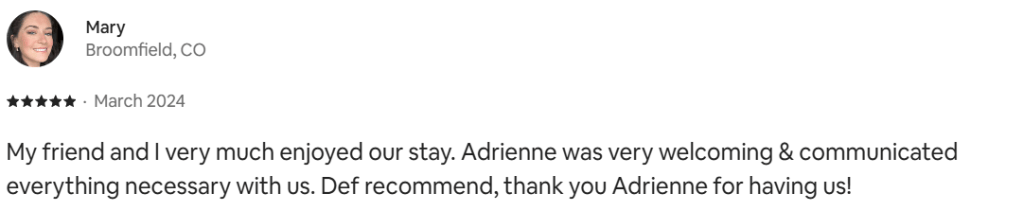
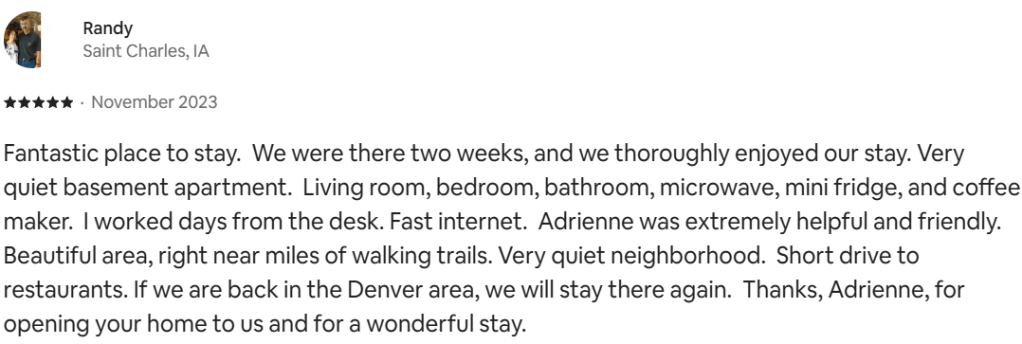
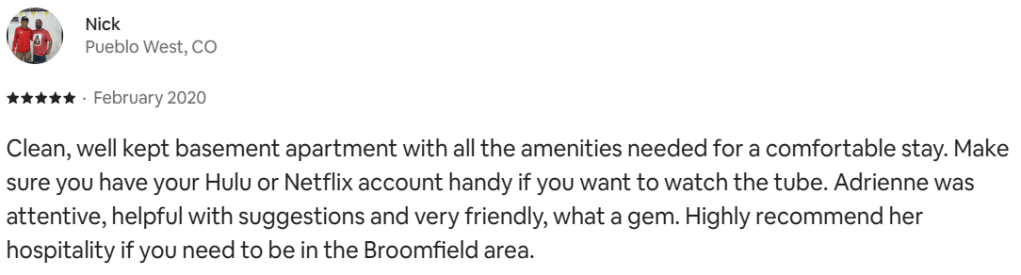
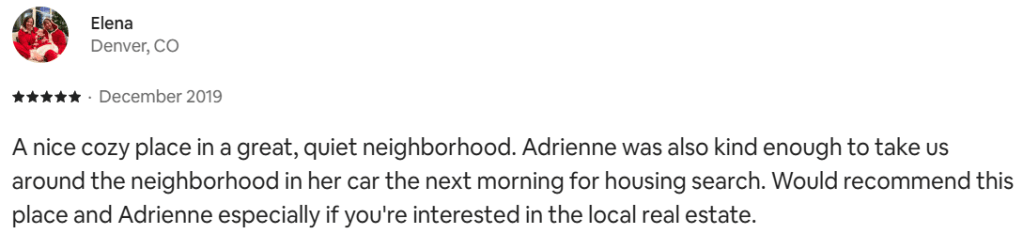
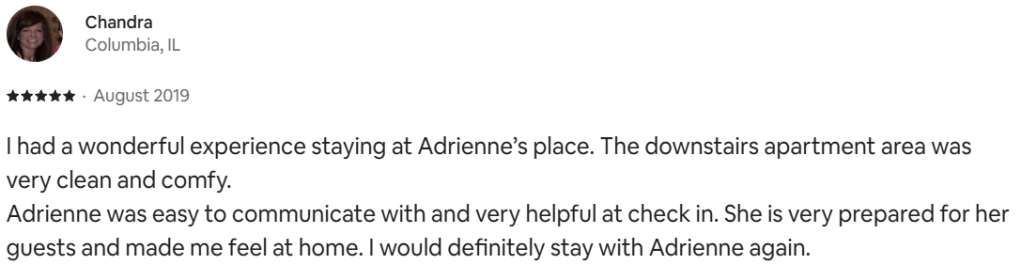
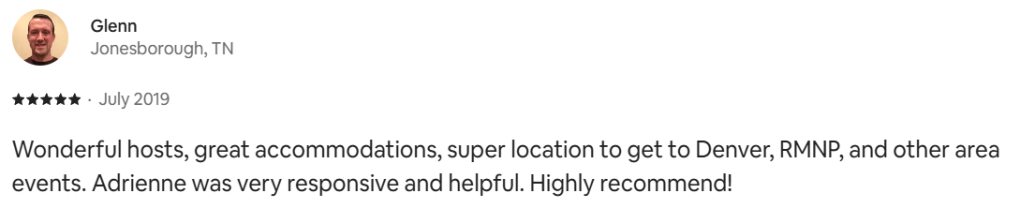
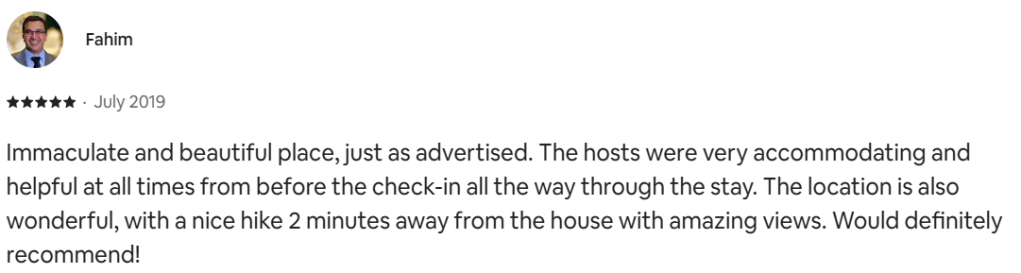
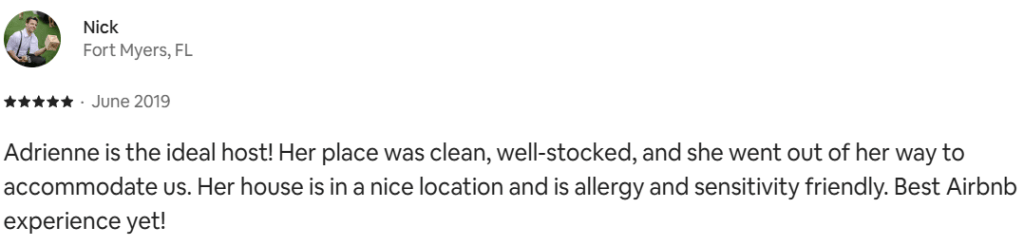
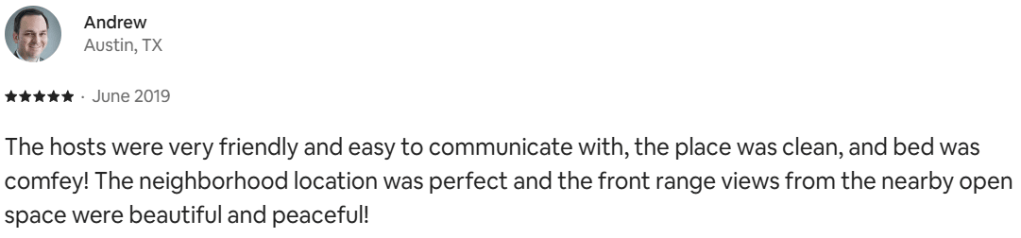
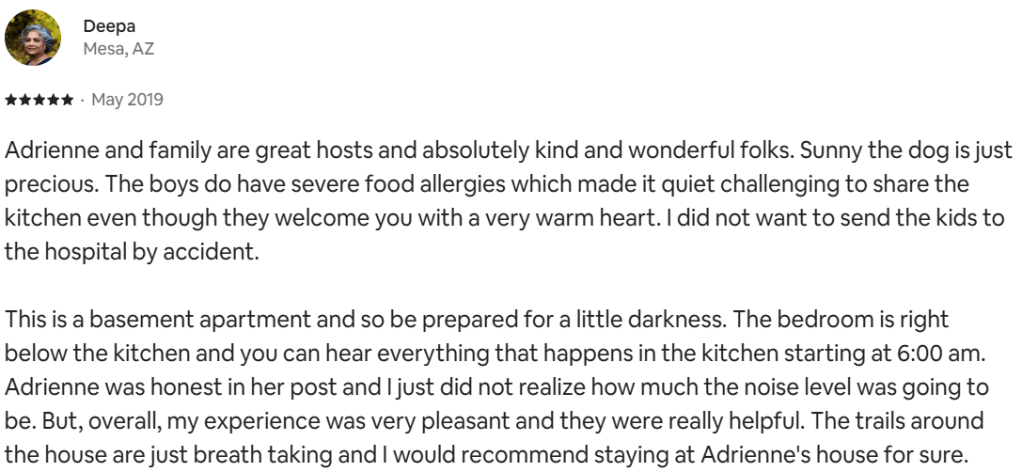
Reviews – HOSTING AIRBNB GUESTS