Countless trails · Countless countries · One pair of boots
Long Walks, Old Roads, High Peaks
I’ve embarked on several multi-day adventures and have many more ahead. Wander back often to discover new personal stories as I share them here.
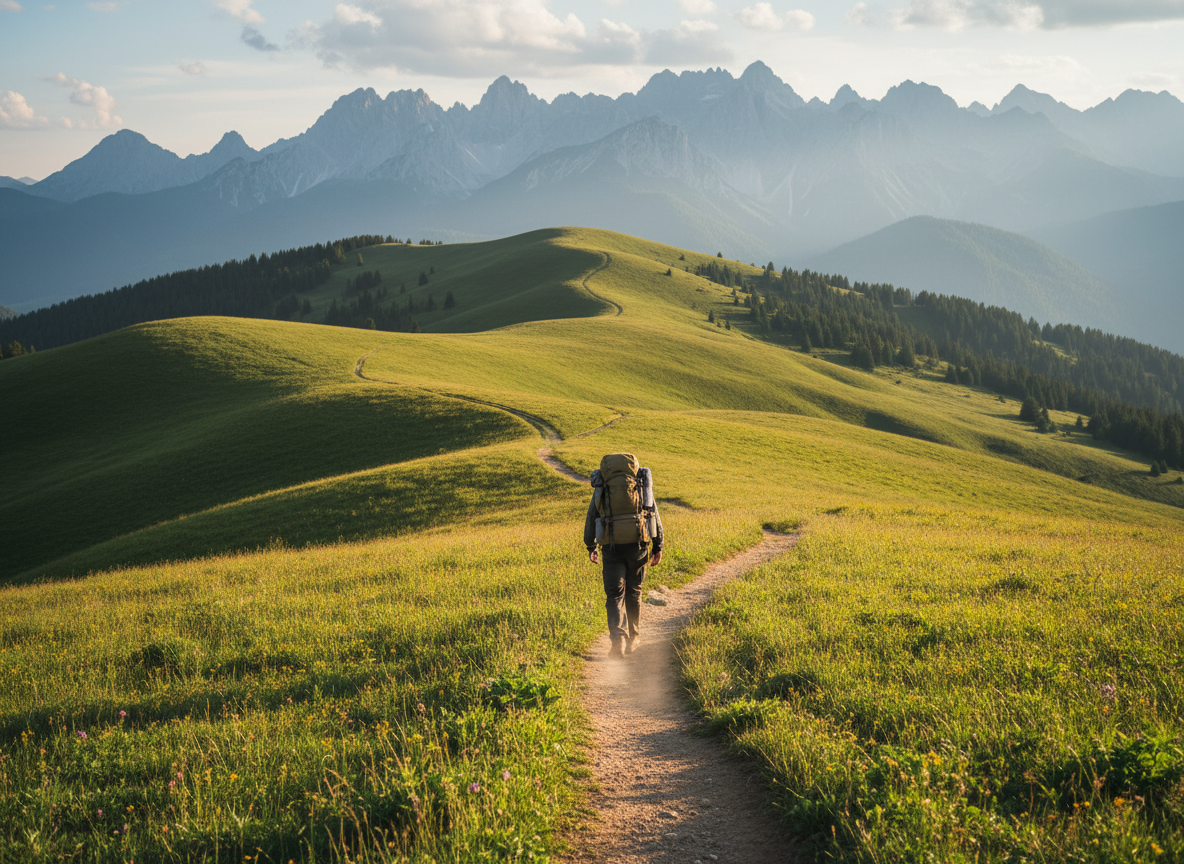
Route 01 · Portugal to Spain
Camino Portugués: Porto to Santiago
About 280 km · Coast and country lanes
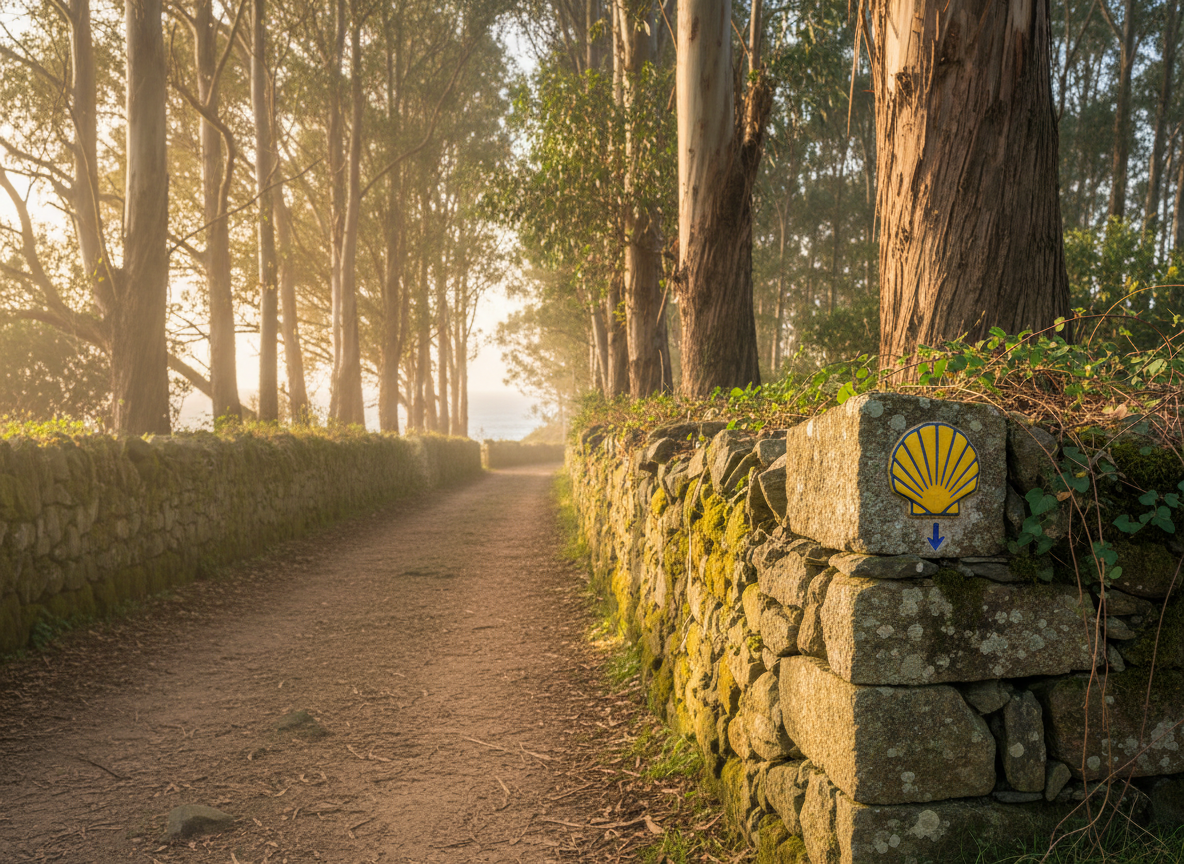
The Portuguese Way is one of the most rewarding and accessible routes to Santiago de Compostela, and starting from Porto adds an extra layer of beauty to the journey. Over roughly 280 kilometres, the path winds northward through Portugal and into Galicia, offering a gentle but captivating mix of coastal cliffs and salt-scented sea air alongside quiet inland lanes lined with stone walls and ancient eucalyptus forests. You pass through historic market towns, tiny villages where locals call out Bom Caminho! from their doorsteps, and river valleys that feel untouched by time. Every kilometre brings you closer to the great cathedral of Santiago de Compostela — and with each step, the shared energy of pilgrims from all over the world makes the walk something far greater than the distance itself.
Route 02 · France · Italy · Switzerland
Tour du Mont Blanc (TMB)
About 170 km · 10–12 days · Alpine refuges
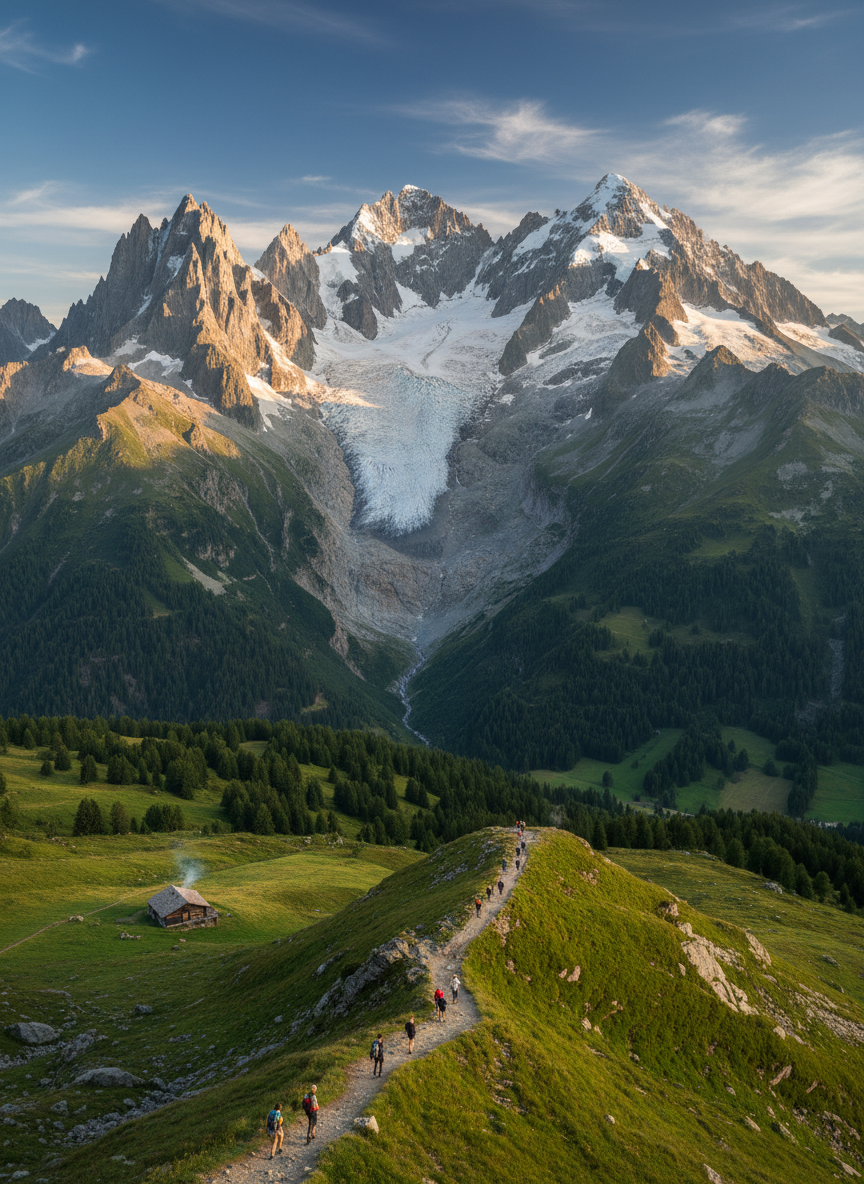
Few long-distance walks in the world can match the sheer spectacle of the Tour du Mont Blanc. This classic alpine circuit — roughly 170 kilometres and traditionally completed in ten to twelve days — loops around the highest peak in the Alps, threading through three countries: France, Italy, and Switzerland. The scenery is relentlessly dramatic. Towering granite needles rise above glaciers that spill down into lush green valleys; steep cols reward the effort of the climb with panoramas that stretch to the horizon. Each country brings its own character: the meadows and chalets of the French Haute-Savoie, the bold mountain culture of the Aosta Valley, the precision and tranquillity of the Swiss Alps. At the end of long days on high mountain paths, welcoming alpine refuges offer a warm meal, a bunk, and the easy camaraderie of fellow walkers — making the TMB as much a social adventure as a physical one.
Route 03 · England to Italy · Two sections walked
Via Francigena
1,900 km · Canterbury to Rome
The Via Francigena is one of Europe’s great historic pilgrimage routes: a 1,900-kilometre corridor linking Canterbury, England to Rome, Italy, crossing the heart of Western Europe and ascending and descending the Alps along the way. For centuries it carried pilgrims, traders, and crusaders southward through France, over the high mountain passes of Switzerland, and down through the Italian peninsula to the tomb of Saint Peter. Walking any part of it is to step into a living piece of European history, and the landscape — from cathedral cities to mountain farms to the rolling hills of Tuscany — changes constantly and compellingly. I have not walked the full route; rather, I have completed two meaningful sections that together gave me a vivid sense of what this ancient road has to offer.
Sections I Hiked
Section one · Peak 2,469 m
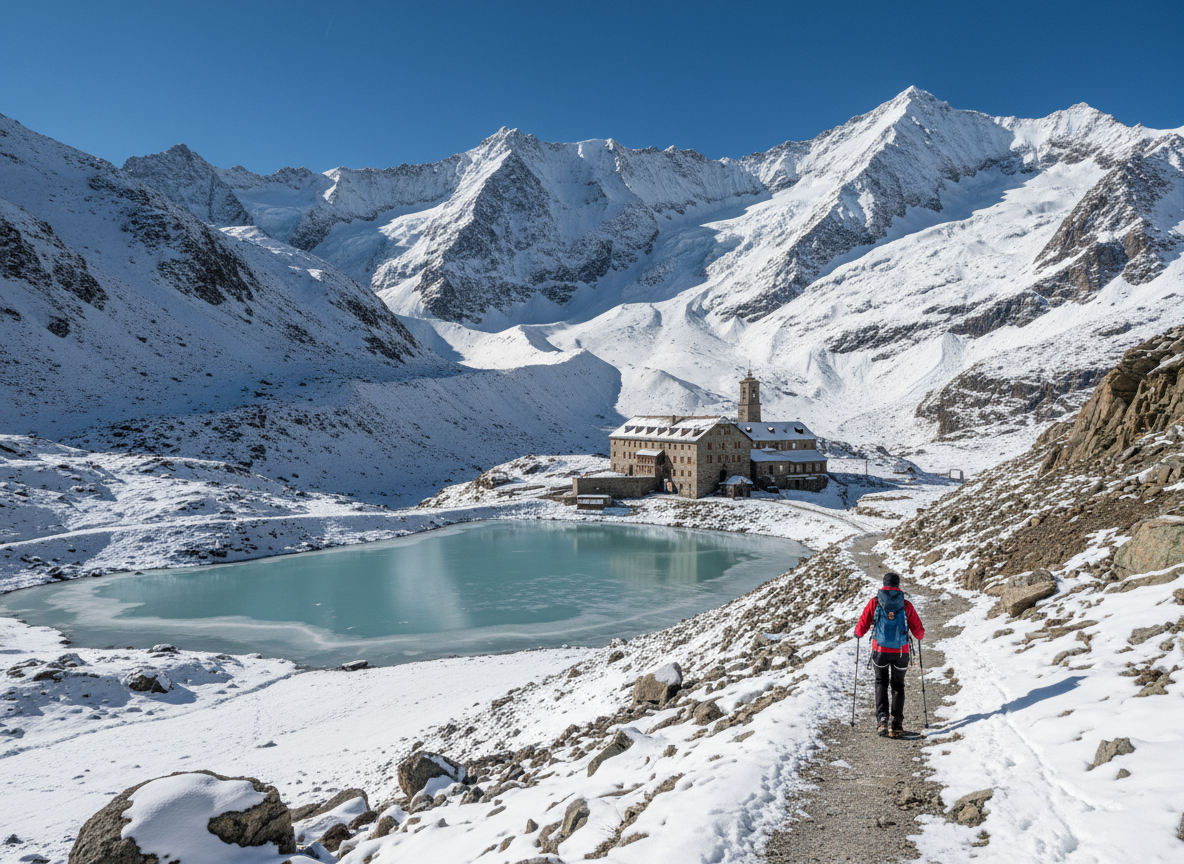
The first section I completed was the crossing from Lausanne, Switzerland over the Great Saint Bernard Pass into Italy, finishing at Ivrea. This stretch is arguably the most alpine passage on the entire Via Francigena — the Great Saint Bernard Pass, at 2,469 metres, is one of the highest road passes in the Alps, and the descent into the Aosta Valley is nothing short of breathtaking. Snow-capped peaks, ancient hospice buildings that have sheltered travellers since the eleventh century, and the gradual softening of the landscape as you move down into Italy make this a section of extraordinary contrast and beauty.
Section two · Appennine hills
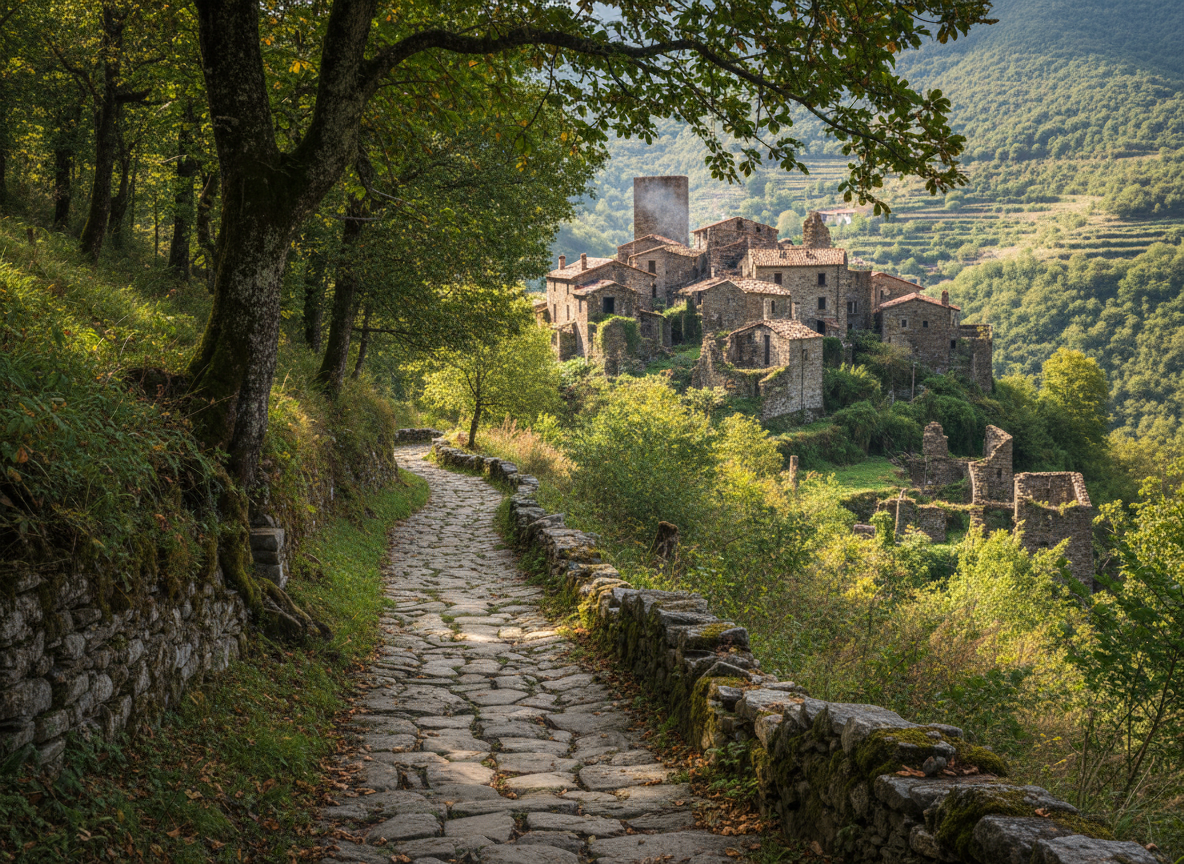
The second section I hiked ran from Fornovo di Taro to Pontremoli, through the Appennine hills of northern Italy. This quieter, more pastoral stretch follows river valleys and old mule tracks through chestnut forests and past crumbling medieval villages. It is less dramatic than the alpine crossing but deeply rewarding in its own way — intimate, unhurried, and rich with the texture of rural Italian life. Together, these two completed sections offer a compelling taste of what the full Via Francigena has to offer, and they have left me eager to return for more.
Route 04 · Italian Dolomites · Lago di Braies to Belluno
Alta Via 1
About 120 km · Rifugi and ferrate
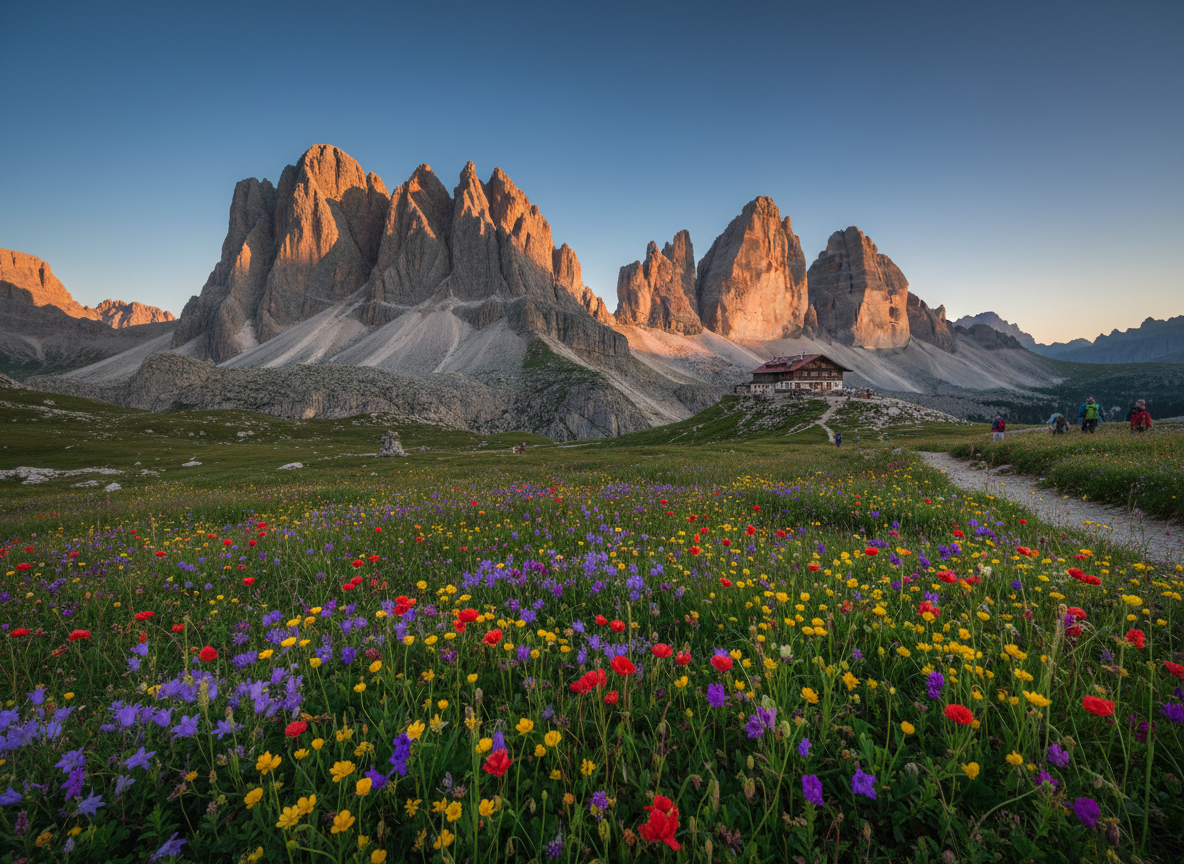
If the Dolomites are one of the most visually stunning mountain ranges on earth — and I believe they are — then the Alta Via 1 is the finest way to experience them on foot. This classic long-distance trek runs for approximately 120 kilometres from Lago di Braies in the north to Belluno in the south, threading through a world of pale limestone towers, sheer rock faces, and high ridgelines that glow amber and rose in the late afternoon light. The path traverses alpine meadows thick with wildflowers, crosses exposed ridges with vertiginous drops on either side, and dips into quiet valleys before climbing again toward the next dramatic horizon. Rocky passages with fixed chains and ladders — the famous ferrate — add an element of adventure to some of the higher sections. Each night, traditional rifugi perched improbably on mountainsides offer generous plates of pasta, local wine, and a genuine warmth that makes the Alta Via 1 feel as much like a cultural immersion as an athletic undertaking. The views are, quite simply, unforgettable.
Route · Peru
Machu Picchu: The Inca Trail
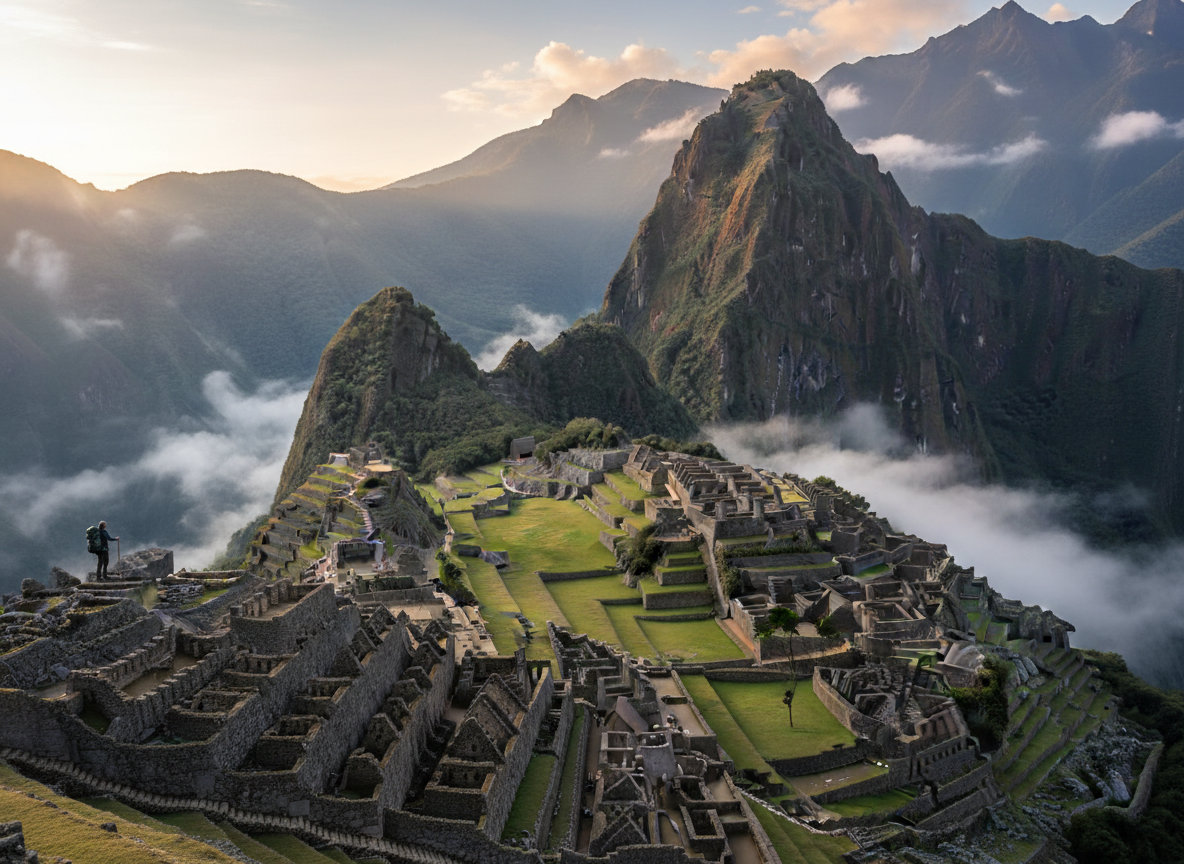
The classic Inca Trail is a 42-kilometre pilgrimage through the Andes, climbing over high mountain passes and through cloud forest before arriving at the Sun Gate for a first glimpse of Machu Picchu at dawn. Stone steps laid centuries ago by Incan engineers wind past remote ruins, terraced hillsides, and shifting microclimates, culminating in one of the most rewarding arrivals of any trek in the world.
Route · Nepal
Nepal: Everest Base Camp
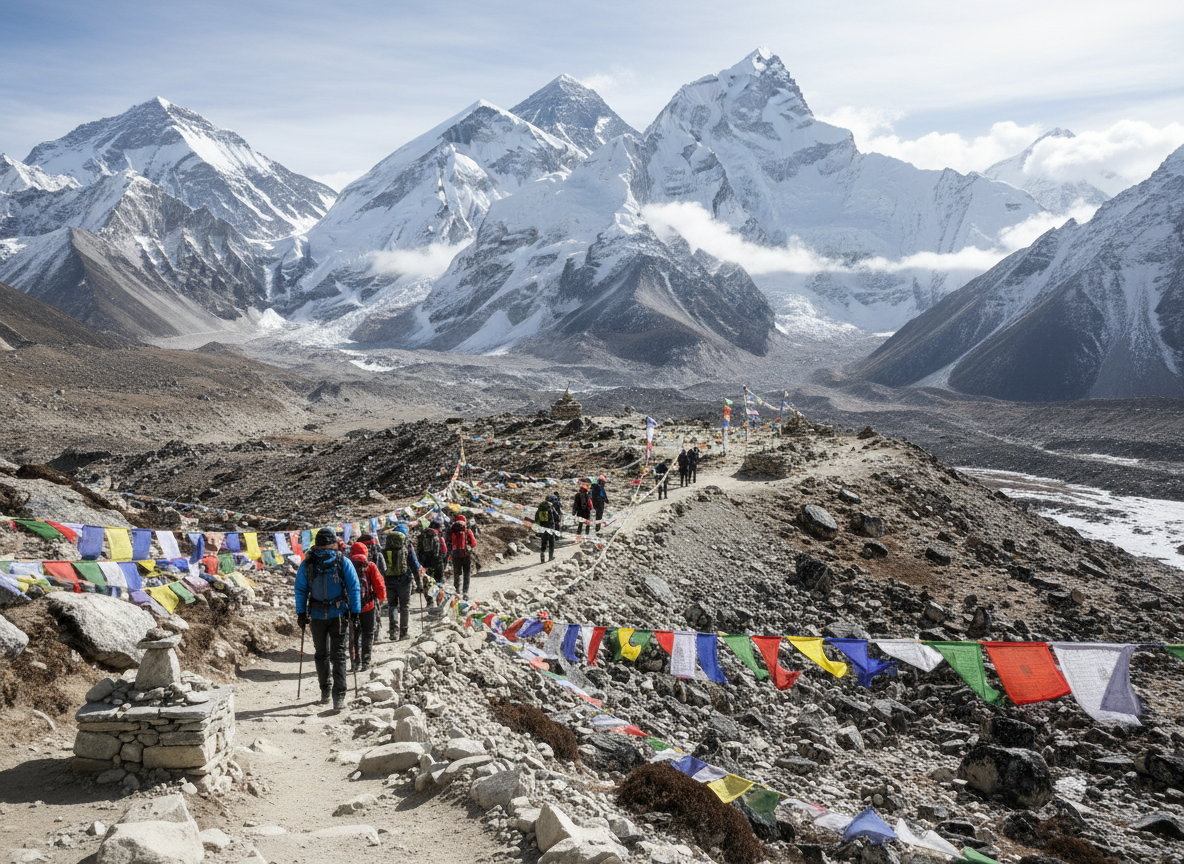
The trek to Everest Base Camp is a roughly 130-kilometre round trip through the Khumbu region, climbing from Lukla through Sherpa villages, suspension bridges, and rhododendron forests before reaching high alpine terrain beneath the world’s tallest peaks. Everest Base Camp is approximately 5,364 metres (17,598 feet) above sea level. Prayer flags mark mountain passes, teahouses offer warm meals and rest along the way, and the sight of Everest, Lhotse, and Nuptse rising above the Khumbu Glacier makes every step of the climb worthwhile.
Join an Upcoming
Multi-Day Hike
Interested in joining Adrienne Uncharted for a multi-day hike?
Get in touch to inquire about upcoming trips, routes, and opportunities to walk together.

