The Best Time to Travel—and Why It Depends on Where You’re Going
Spoiler: there is no single perfect travel season. Here’s how to find yours.
Ask ten seasoned travelers when the best time to visit Europe is and you’ll get ten different answers. One will swear by June, another will insist on October, and a third will tell you to go in February if you hate crowds. They’re all right—and they’re all missing the point. The truth is that the “best” time to travel has never been a date on the calendar. It’s a combination of destination, climate, budget, personal priorities, and a little bit of timing luck.
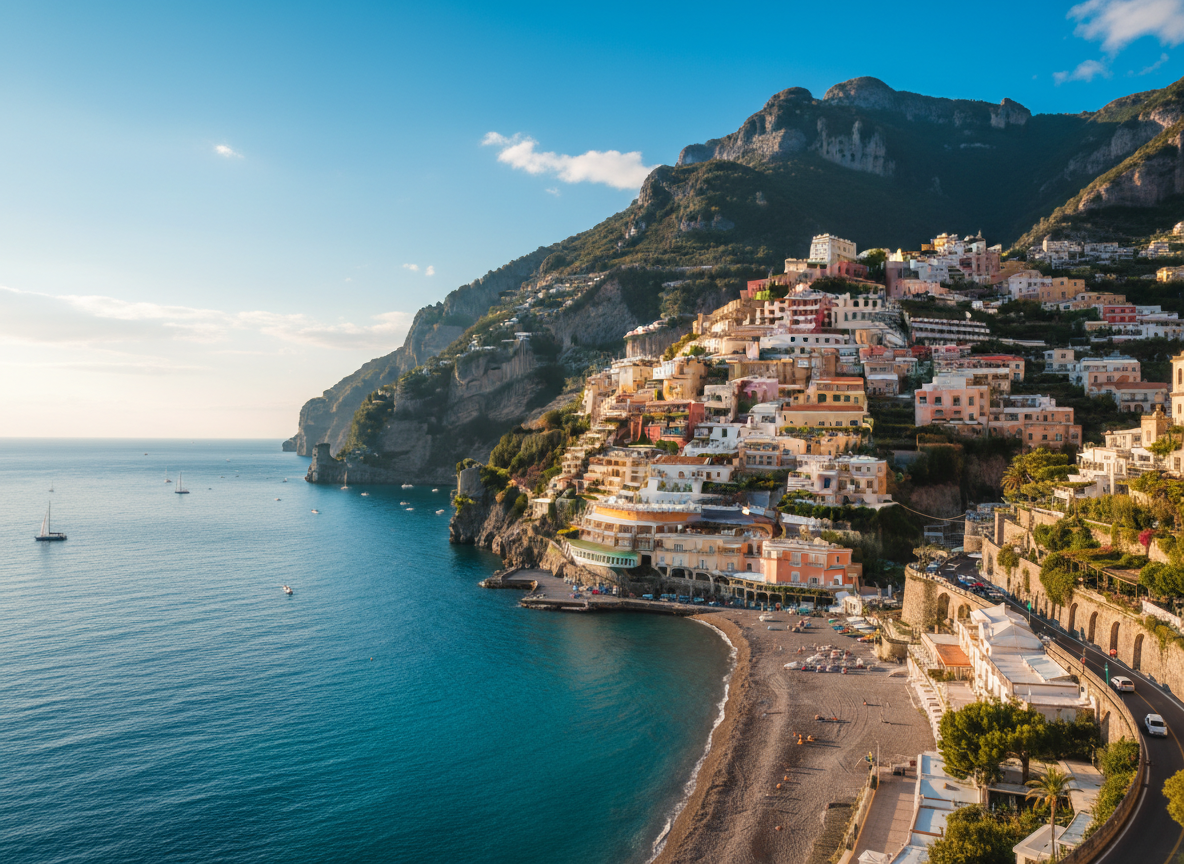
Whether you’re dreaming of sun-drenched Italian coastlines, misty mountain trails, or a city that feels less like a theme park and more like a real place, this guide will help you decode the seasons and make smarter choices about when to go—and why.
High Season, Low Season, and the Sweet Spot In Between
Every destination on earth has three travel seasons, even if the tourism industry doesn’t always label them that way.
High Season
High season is when most tourists arrive. The weather is typically at its most cooperative, schools are out, and flights and hotels are at peak pricing. Think: the Eiffel Tower in July, Santorini in August, or national parks in the American West over Memorial Day weekend. You’ll find everything open and buzzing—but you’ll pay a premium for it, and you’ll share every viewpoint with a crowd.
Low Season
Low season brings dramatically lower prices, emptier streets, and an authenticity you simply can’t access when tourist numbers swell. The trade-off? Some attractions close, weather can be unpredictable, and certain destinations become genuinely difficult to enjoy—it’s hard to appreciate a beach in a rainstorm. But for city destinations, cultural travel, and history lovers, low season can be the best-kept secret in travel.
Shoulder Season: The Sweet Spot
Shoulder season—the weeks just before and after peak—is where experienced travelers live. Prices drop, crowds thin, the weather remains largely pleasant, and locals start to breathe again. For Italy, that’s late April through May and mid-September through October. For Southeast Asia, it’s just before or after the monsoon. Learning to identify each destination’s shoulder season is one of the highest-return travel skills you can develop.
“The best time to visit a place is the week after everyone else goes home.”
— A lesson every seasoned traveler eventually learns
How Climate Shapes Your Travel Timing
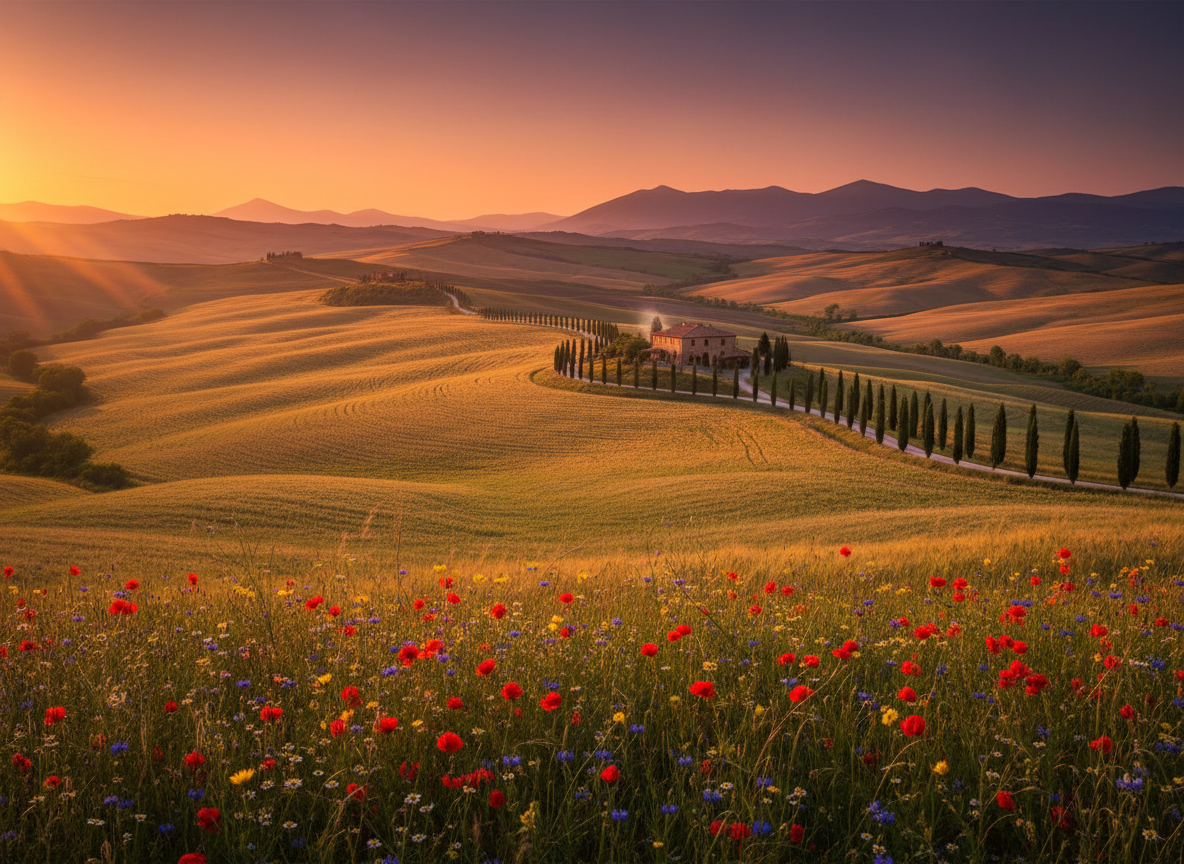
Weather patterns are not uniform, and the same calendar month can mean very different things depending on where in the world you are. Understanding regional climate is the foundation of good travel planning.
Mediterranean & Southern Europe
Mild, rainy winters and hot, dry summers define the Mediterranean. Italy, Greece, Spain, and Croatia peak in July–August but are genuinely delightful in May–June and September–October, when temperatures hover in the low-to-mid 20s°C and the crowds are manageable.
Tropical & Monsoon Regions
Southeast Asia, Central America, and the Caribbean operate on wet and dry seasons rather than the four-season model. Dry season (roughly November–April in Southeast Asia) is the most popular, but the green season brings lush landscapes, fewer crowds, and lower prices—with brief afternoon showers rather than all-day rain.
Northern Europe & Scandinavia
Summer (June–August) brings long days and warm temperatures, making it the clear peak. But winter has its own magic—Christmas markets, northern lights in Scandinavia, cozy interiors, and a fraction of the summer prices.
Timing by Destination Type
Beyond climate zones, the type of destination you’re visiting should heavily influence when you go.
Beaches
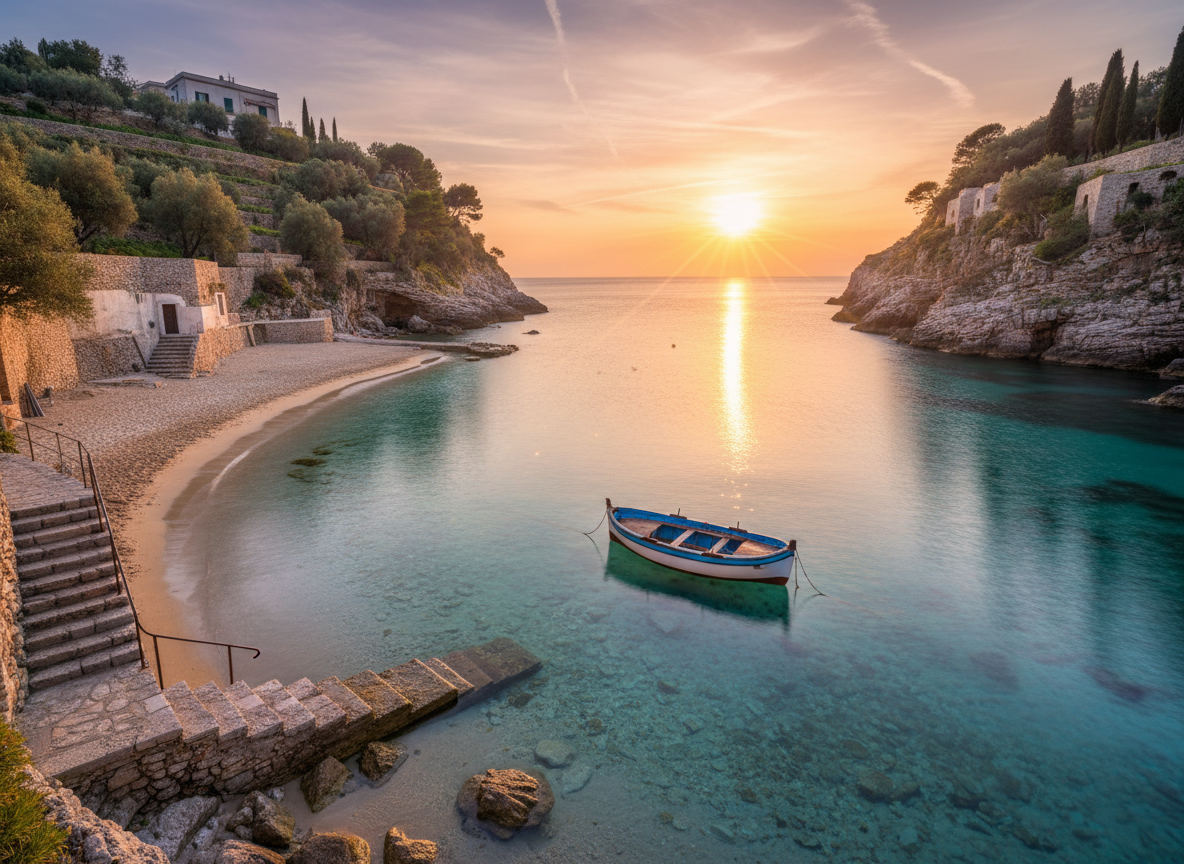
Beach destinations are most enjoyable in their dry, sunny window—but “sunny” doesn’t always mean “July.” The Algarve in Portugal peaks in July–August but is perfectly swimmable and far quieter in June or September. The Greek islands bake in August but offer crystalline water and half-empty tavernas in early October. For Caribbean beaches, February through April is the sweet spot: dry, breezy, and before the hurricane season.
Cities
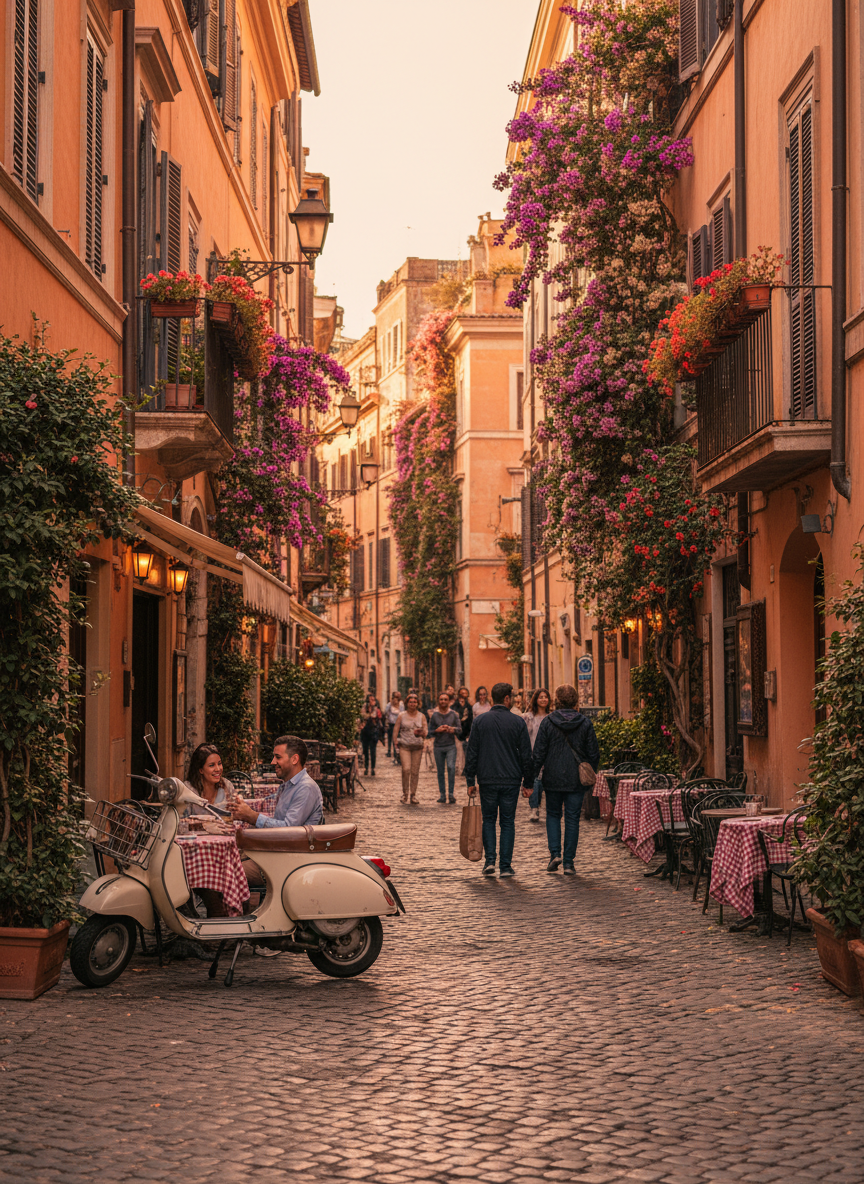
Cities are more forgiving than beaches—they function year-round and have culture, food, and architecture regardless of weather. That said, summer crowds in Rome, Barcelona, or Amsterdam can feel relentless. Visiting a European city in November or March means shorter lines at major museums, genuinely warm café culture, and prices that make your travel budget go surprisingly far.
City travel also syncs well with local events. Florence in spring means artisan markets and blooming piazzas. Tokyo in March–April means cherry blossoms. New Orleans in February means Mardi Gras. Your travel dates can be shaped by the culture you most want to experience.
Mountains & Hiking Destinations
Alpine destinations like the Dolomites, Swiss Alps, or the Rockies have two peak seasons: summer (July–August, for hiking) and winter (December–March, for skiing). Shoulder season in the mountains is often spring or fall, when trails can be muddy or snow-covered at altitude and many mountain huts are closed—something to plan around rather than discover on arrival.
Wildlife Destinations
Wildlife travel is almost entirely dictated by animal behavior and natural cycles. The Serengeti’s Great Migration peaks between July and October. Whale watching in Baja California is best in February–April. Sea turtle nesting in Costa Rica happens June–October. If you’re going for wildlife, research the exact window—going even a month early or late can mean the difference between a once-in-a-lifetime experience and an empty savannah.
The Role of Local Events, Prices, and Your Own Goals
Beyond weather and season labels, three more factors will shape your ideal travel window.
Local Events and Festivals
A destination’s festival calendar can be a reason to go or a reason to avoid. Venice’s Carnival in February is magical if you love pageantry and mask culture—but it doubles hotel prices and fills every canal-side spot. Pamplona’s Running of the Bulls in July draws huge crowds to a small city. On the other hand, a quiet harvest festival in a Sicilian village or a jazz weekend in a French coastal town can turn a good trip into an extraordinary one.
Flights and Accommodation Prices
Flight prices are a language unto themselves. Booking 6–8 weeks ahead for domestic travel and 3–6 months ahead for international trips generally yields the best fares. Mid-week flights (Tuesday and Wednesday) are often cheaper than weekend departures. And traveling to Europe or Asia in October or February versus June or August can save you hundreds of dollars on the exact same route.
Your Personal Travel Goals
This is the factor most travel guides skip entirely. What do you want out of this trip? If you need beach weather and don’t mind paying for it, go in peak season. If you want to photograph a city without tourists in every frame, go in shoulder season on a weekday. If budget is tight, go in low season and embrace the slower pace. If you’re traveling with kids, school schedules may override all other considerations. There’s no objectively wrong answer—only answers that are wrong for your specific trip.
Practical Tips for Choosing Your Travel Dates
- Research the destination’s climate first. Don’t assume summer is always best—many beloved destinations are at their worst in the peak heat of July and August.
- Identify the shoulder season. It’s usually the 3–4 weeks on either side of peak. This is almost always the best value-to-experience ratio.
- Check local holidays and school calendars. Domestic tourists can crowd a destination just as much as international ones—local public holidays matter.
- Book flights before hotels. Flight availability and pricing tend to be the binding constraint. Find the flight window first, then confirm accommodation.
- Be flexible by even a week. Shifting your departure by 7 days can drop flight prices dramatically and noticeably reduce crowds at major sites.
- Ask a local or check recent travel forums. Climate is shifting, and the old “best months” advice from a 2015 guidebook may no longer apply. Fresh, first-hand accounts are invaluable.
- Factor in your recovery time. An exhausting peak-season sprint through six cities in eight days may be less satisfying than a slower low-season trip to two.
The Bottom Line
There is no single best time to travel. There is only the best time for you, to that destination, for the experience you want. The traveler who goes to Italy in October—with cooler air, golden light, the harvest in full swing, and the summer crowds long gone—is having a fundamentally different and often richer trip than the one who goes in August. Neither is wrong. But one of them probably spent less, waited less, and saw more.
Do your research, know your priorities, embrace the shoulder season when you can, and trust that the world is beautiful in every season—if you show up with the right expectations.

