Adrienne Uncharted / Transportation Tips
Get There Like You Mean It
A practical field guide to trains, buses, ferries, scooters, tuk-tuks and your own two feet, from Italy to Japan to Costa Rica. Pick the right ride, skip the stress, and save your energy for the good stuff.
The big idea
The best ride is the one that fits the place
Transportation is half the adventure. A seven-minute scooter ride can beat a twenty-minute taxi queue, and a slow regional train can be the best view of your whole trip. This guide helps you match the mode to the moment, so you spend less time decoding timetables and more time actually arriving.
Verify before you go
Everything here is a starting point. Routes, prices, schedules and rules change by season and operator, so always compare official operator prices and rules before you book. Nothing on this page guarantees availability.
Strikes and cancellations
When the train does not run
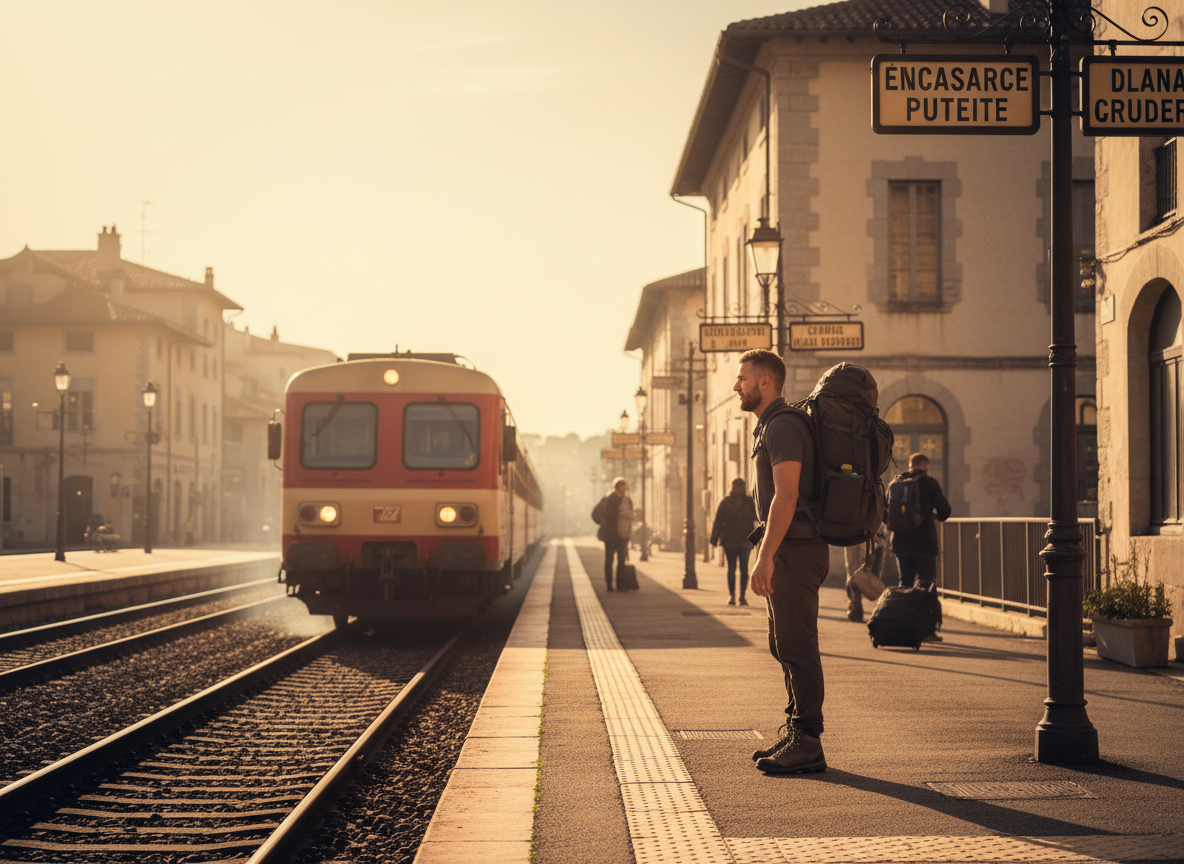
Italy is wonderful by rail, and it is also where I learned to treat every train ticket as a maybe. Strikes and cancellations can happen anywhere, but I have been burned in Italy, so that is where I am most careful.

The strike that cost me a ferry
A train strike left me stuck on the wrong side of the day, and the ferry I had booked left without me. The train was not the expensive part. The missed connection behind it was. Now I never tie a non-refundable ferry or flight to a same-day train.

The short ride that got pricey
Cancellations turned what should have been a short, cheap train hop into an unexpectedly expensive trip. I bought a second ticket in a panic, then found out my original fare might have covered rebooking or replacement transport. I never asked.
My strike and cancellation checklist
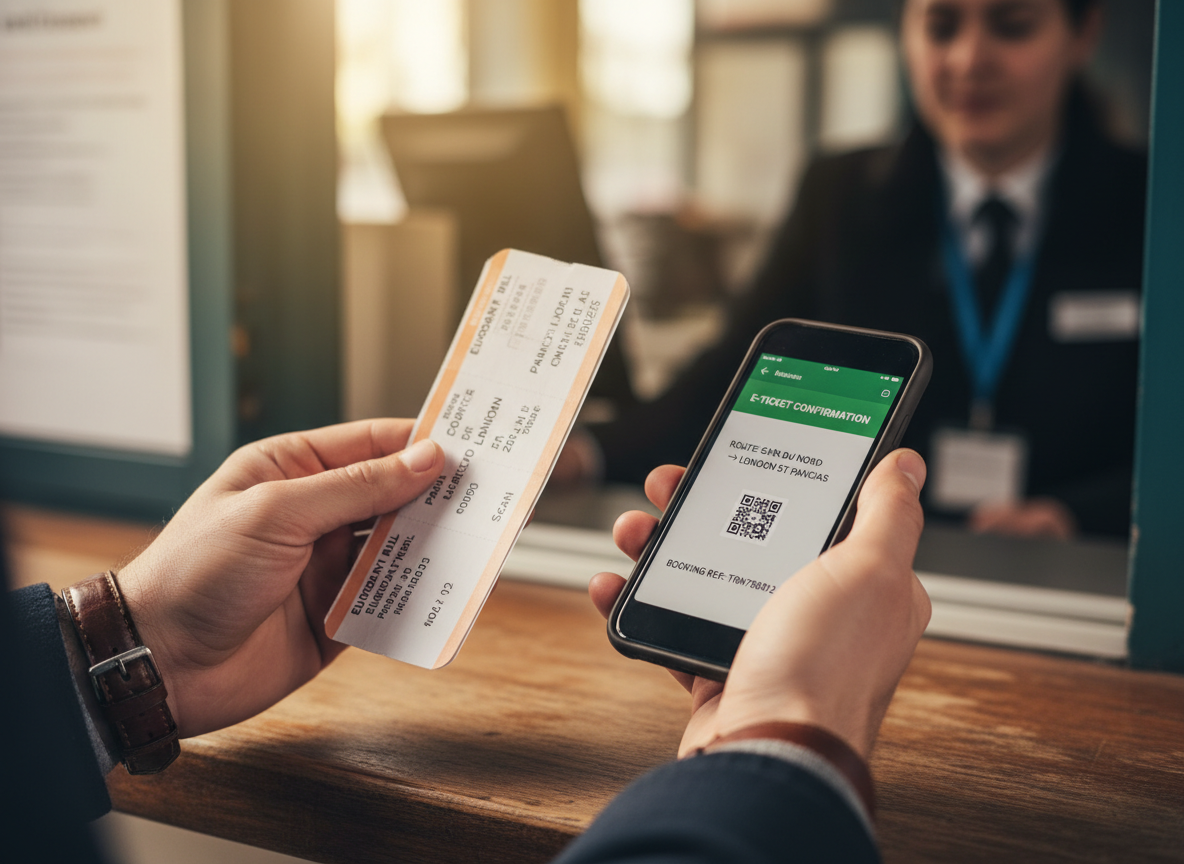
- Check official operator alerts and strike notices. Look at the operator’s own site or app, such as Trenitalia for Italian rail, the day before and the morning of travel.
- Verify your ticket is still valid. Find out whether it works on a different train or a different day if yours is cancelled.
- Ask about refunds and rebooking. Staff or the operator’s help channel can tell you what your fare allows.
- Ask about replacement transport. Some operators arrange buses or alternative services when trains are cancelled.
- Check the fare rules before buying another ticket. A second ticket in a hurry is how a short ride gets expensive.
- Leave a buffer before ferries and flights. Strike rules and protected services differ by operator, so confirm directly.
Strike rules, protected services and refund policies differ by operator and change often. Verify directly with the operator before relying on anything you read here.
Mode by mode
Which ride, when? A quick comparison
Each mode has a sweet spot. Here is how we think about them on the road.
Trains
Best for: city-to-city hops of 1 to 5 hours, scenic days, arriving downtown. Watch for: reservation rules on fast trains, strikes, and ticket validation. Where it shines: Italy, Switzerland, France, Spain, Japan.
Compare trains on Omio / Trenitalia for Italy / SBB Mobile for Switzerland
Buses
Best for: budget travel, routes trains skip, rural areas. Watch for: traffic delays, luggage limits, cash-only local lines. Where it shines: Costa Rica, Portugal, Spain, India, the UK, the US.
Local flights
Best for: long distances, islands, and big countries. Watch for: airport transfer time, baggage fees, and strict carry-on sizes on low-cost carriers. Where it shines: Greece, Thailand, India, Japan, the US.
Compare flights against other modes on Rome2Rio. Search Google Flights directly and use its date grid and price calendar to spot cheaper days.
Ferries
Best for: islands, coastal shortcuts, and arriving with a view. Watch for: weather cancellations, port check-in times, and different speeds (fast boat versus slow boat). Where it shines: Greece, Italy, Thailand, Japan, the UK.
Search for the operator that serves your exact route, then compare timetables and baggage rules on their own site. Rome2Rio can help you find which operator runs a route.
Scooters and bikes
Best for: short city hops, waterfronts, flat old towns. Watch for: helmet and parking rules, cobblestones, and age limits. Where it shines: Spain, Portugal, Italy, France, Thailand.
Check RideMovi for shared bikes / See where Dott scooters and bikes operate
Rickshaws and tuk-tuks
Best for: short, winding trips and lanes cars struggle with. Watch for: agree the fare before you climb in, or ask for the meter. Where it shines: Thailand, India, and parts of Southeast Asia.
No app needed. Ask your accommodation host for a fair price range and a local ride-hailing app that works better than the global ones.
Taxis and ride-hailing
Best for: late arrivals, heavy bags, unfamiliar neighborhoods. Watch for: surge pricing, pickup point confusion, and apps that differ by country. Where it shines: the US, the UK, Spain, Portugal, Thailand, India, Costa Rica.
Uber / Lyft / and local apps or licensed taxi ranks where the global ones do not work well.
Walking
Best for: historic centers, markets, and finding places you did not plan for. Watch for: hills, heat, uneven pavement, and shoes that are not ready. Where it shines: France, Italy, Greece, Portugal, the UK, Japan.
The only mode with no strike notices, no baggage fees and no surge pricing. Wear real shoes.

Rideshare tip
Uber and Lyft cover ride-hailing in many places, and regional apps often work better elsewhere, so ask locals which one they trust. Confirm the pickup point and the price before you get in.
Destination by destination
How people actually get around
Italy: trains first, feet second
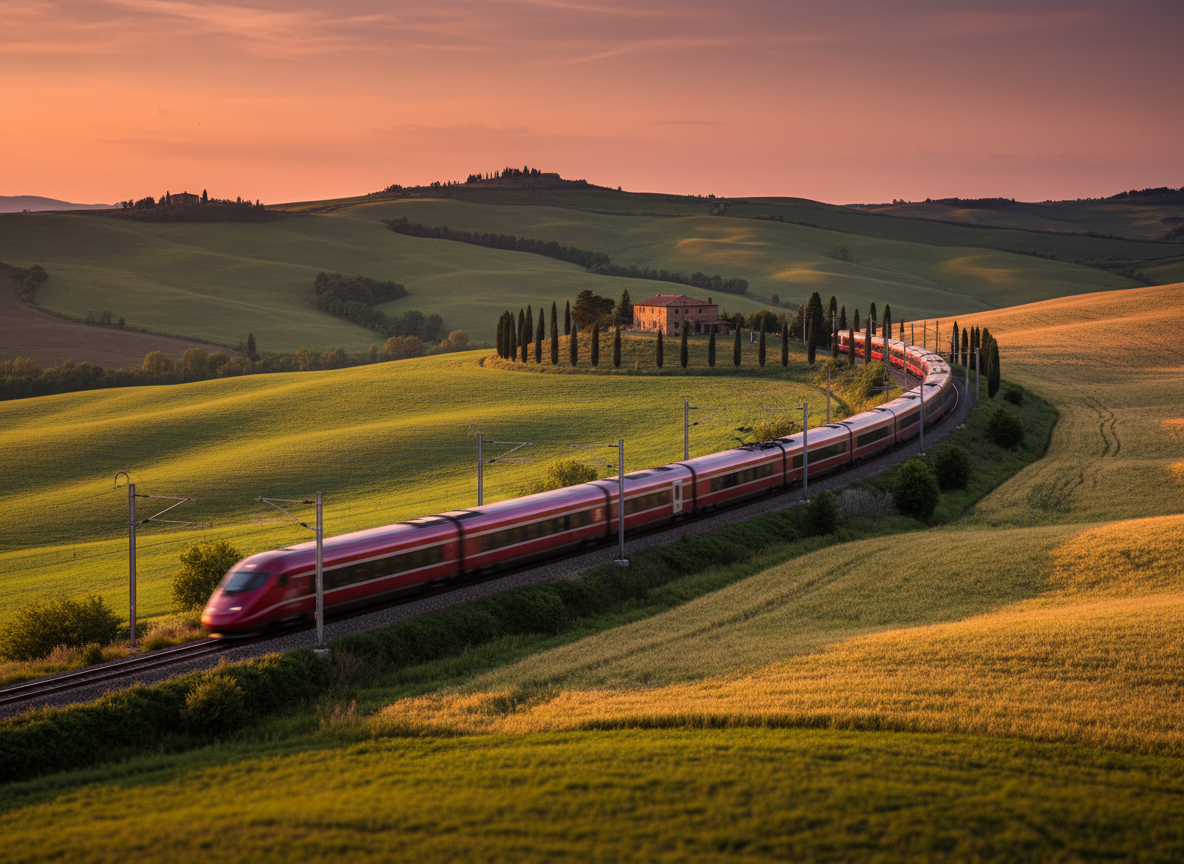
Fast trains connect Rome, Florence, Venice and Milan; regional trains reach smaller towns for less. Book fast trains early for better fares via Trenitalia, and remember that regional paper tickets must be validated at the platform machine before boarding. In city centers, walk. For islands and the coast, ferries fill in the gaps.
Strikes happen. Read my strike and cancellation checklist before you lock in a tight ferry connection.
Switzerland: precision on rails
Trains, buses, boats and cable cars connect with remarkable timing. The SBB Mobile app handles timetables and tickets in one place. It is pricey, so look into regional or multi-day passes if you are covering a lot of ground, and compare them against point-to-point fares first.
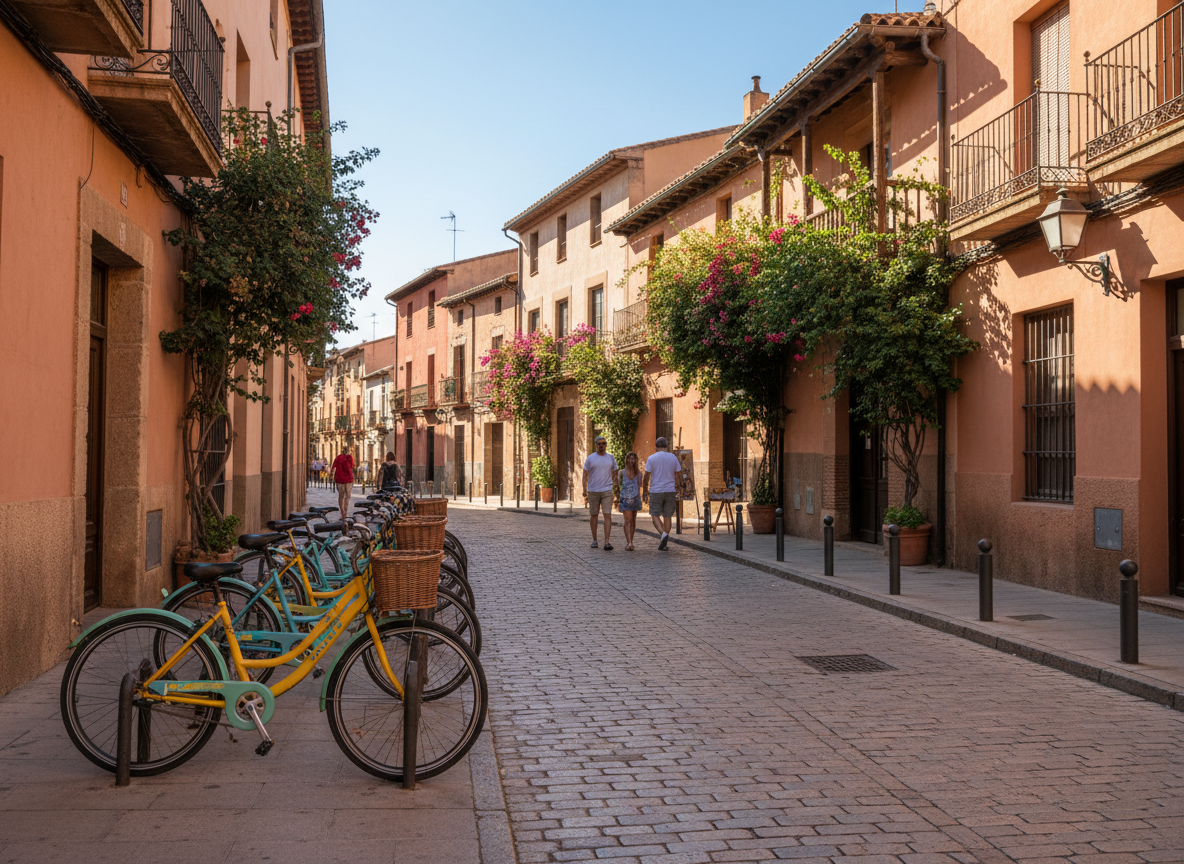
Spain: rail, bus and bike lanes
High-speed trains cover the main corridors, while long-distance buses reach almost everywhere else, often for less. Ride-hailing and licensed taxis help with late arrivals. Use Ryanair or easyJet for longer hops or islands, and check baggage rules before you click buy.
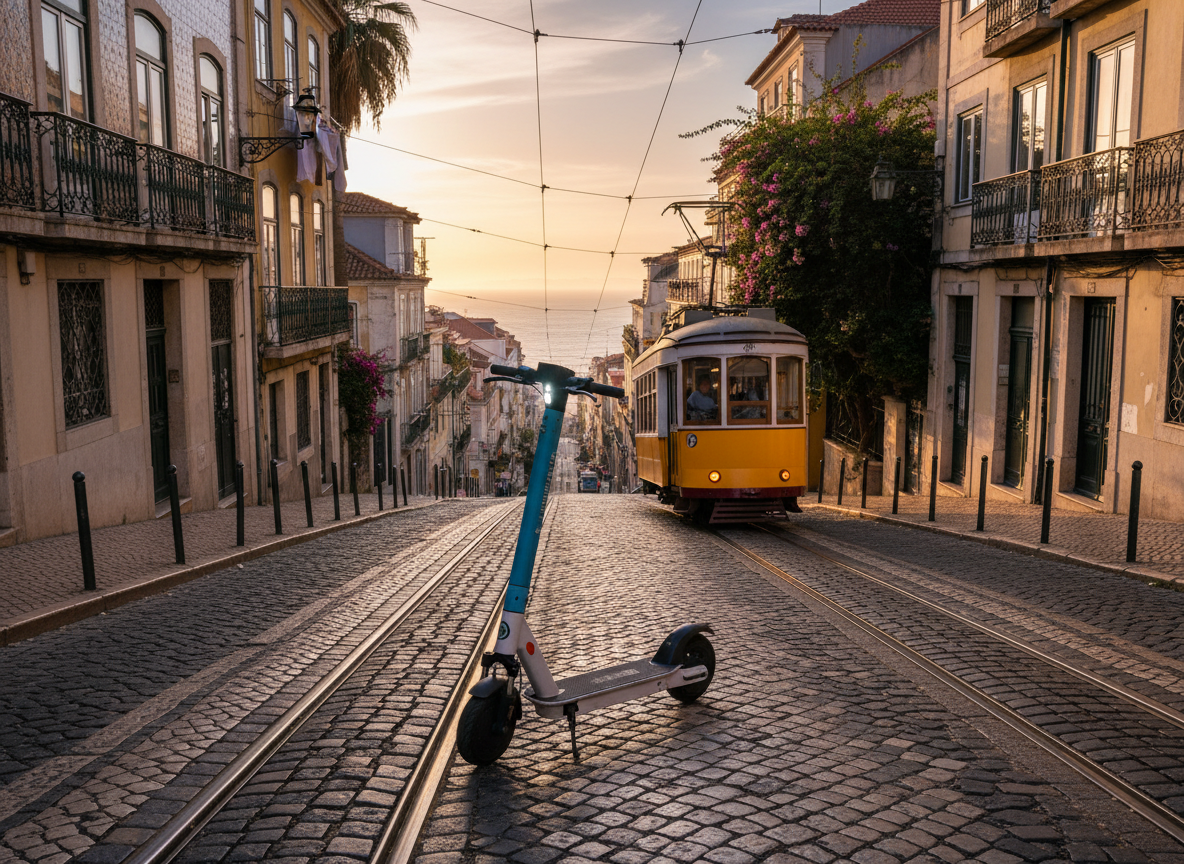
Portugal: hills, trams and scooters
Trains link Lisbon, Porto and the Algarve, and buses fill in the rest. In the cities, expect steep streets and slick cobbles. Electric scooters help on flatter stretches, and trams and funiculars handle the climbs. Wear real shoes and check local scooter rules.

France: TGV, then wander
High-speed TGV trains connect Paris with major cities, and regional TER trains reach villages. Train reservations are often required on long-distance routes. Once you arrive, walking, local buses and bike-share cover most of the rest. Rural areas may be easier with a rental car, so check licensing and insurance rules first.
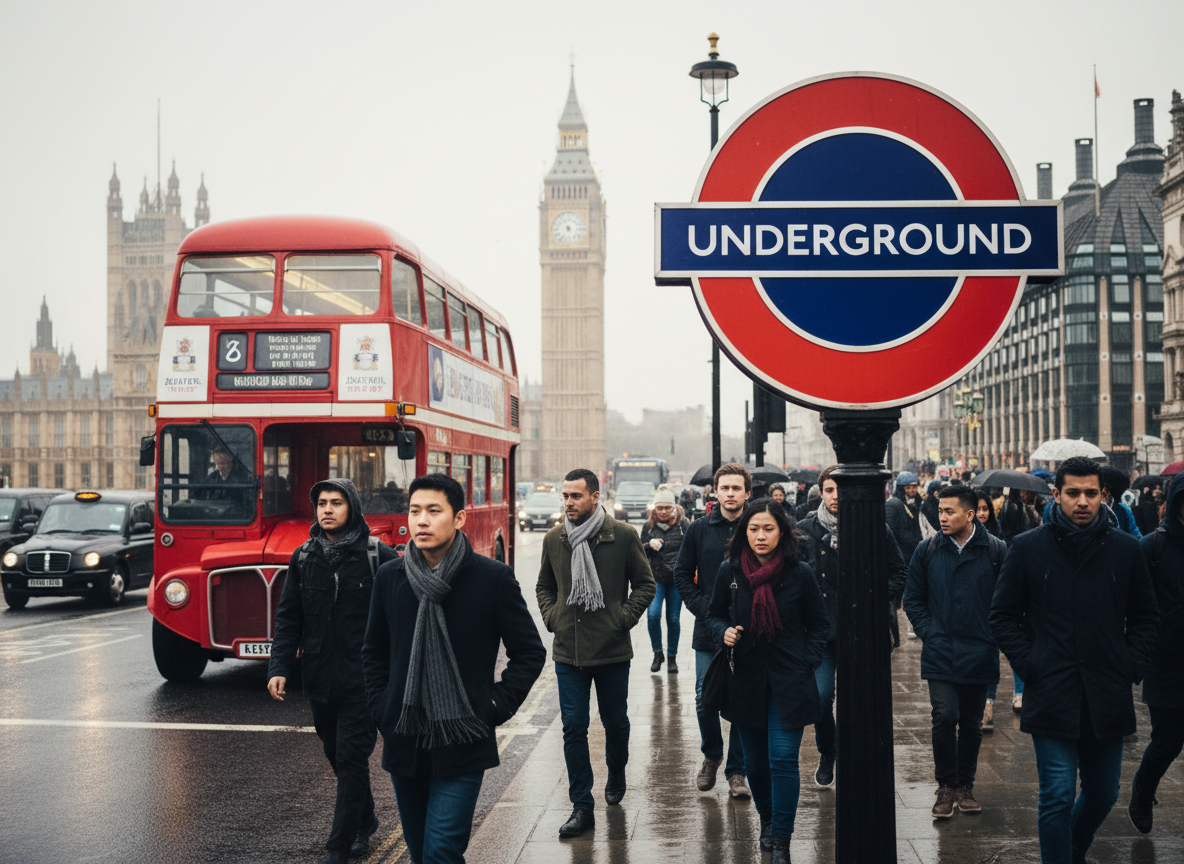
The UK: contactless and double-deckers
National rail fares vary widely by time and how early you book, so compare advance tickets with flexible ones. In London, buses and the Underground accept contactless payment, and walking between stops is often faster than you think. Ride-hailing and black cabs are options late at night.
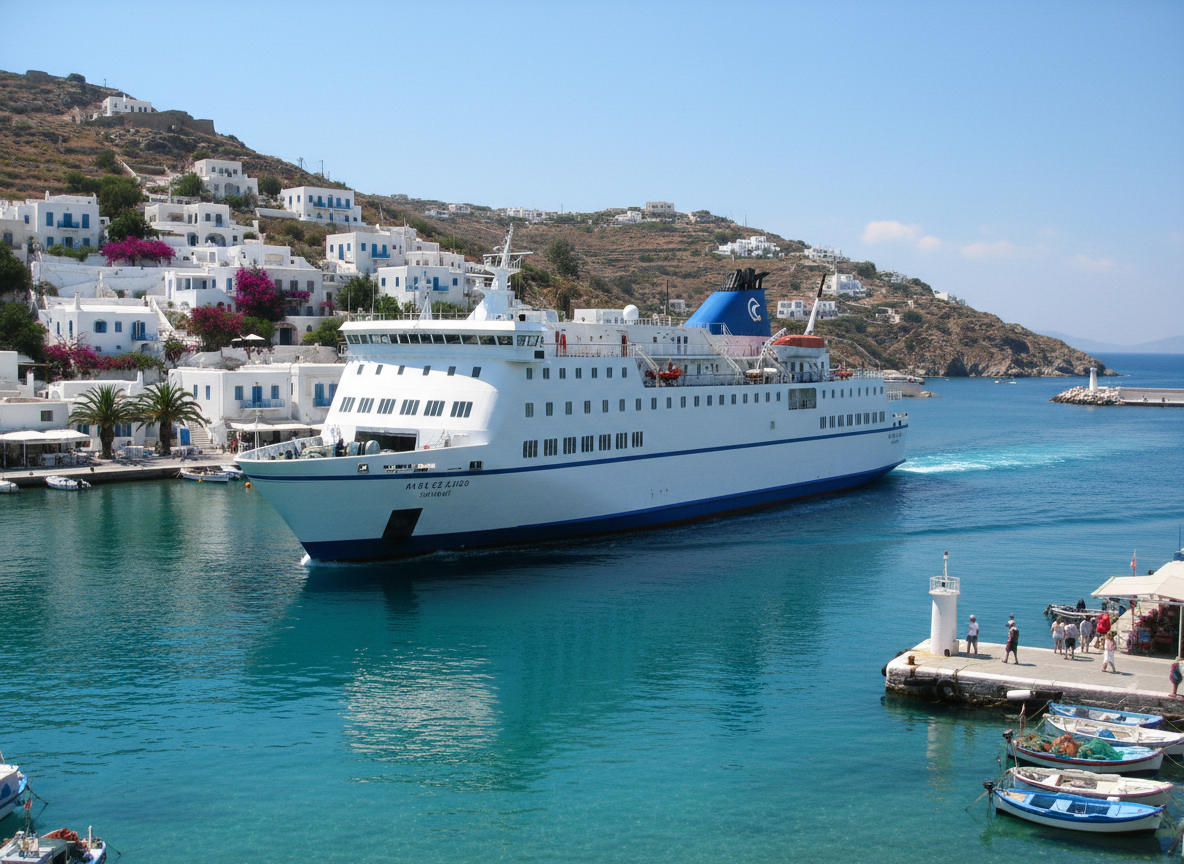
Greece: ferries are the main road
Ferries connect the islands, and schedules shift by season. Build in buffer days around flights, since high winds can cancel sailings. Domestic flights bridge longer gaps, buses cover the mainland, and scooters or ATVs are common on islands, so confirm licensing and insurance before riding.
Japan: punctual, polite, rail-first
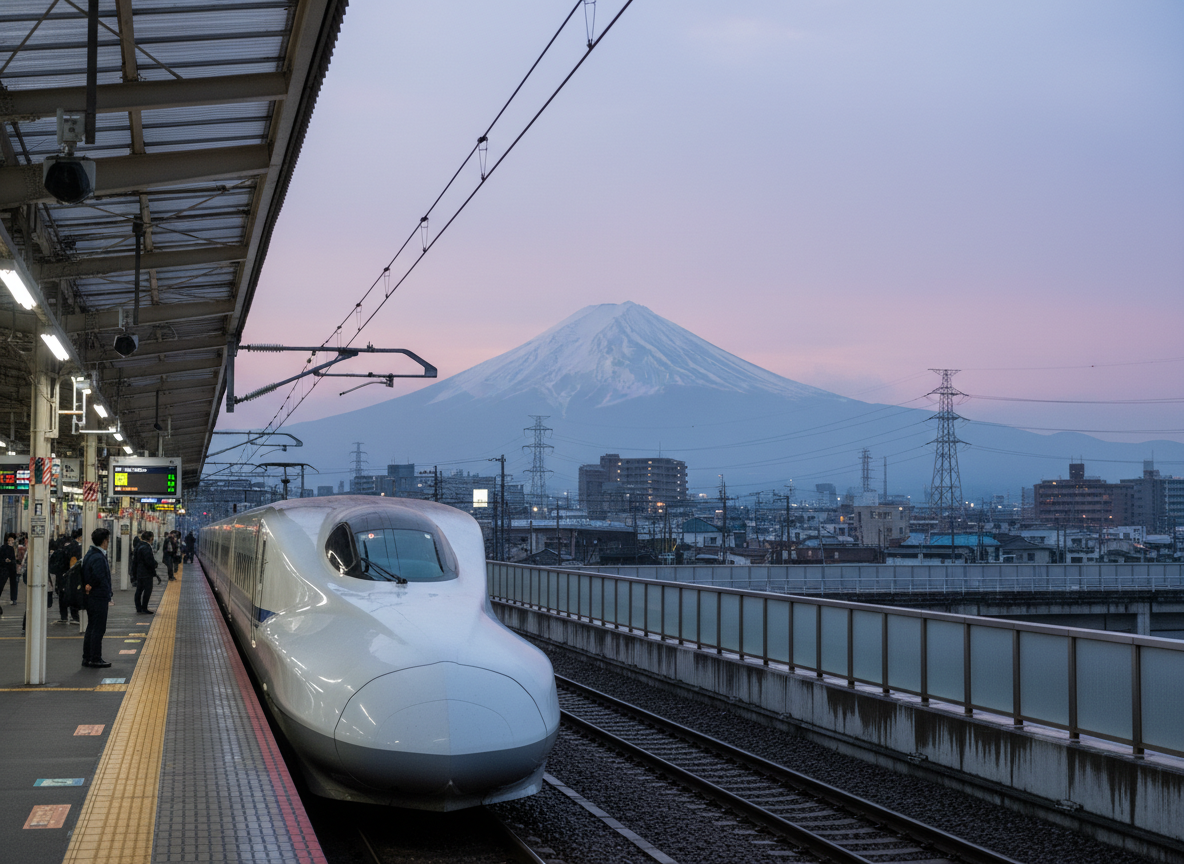
Shinkansen bullet trains link major cities, and local lines and metros cover the rest. Rechargeable IC cards make city transit easy, and rail passes can pay off on certain routes, so compare them against individual tickets. Keep voices low on trains and have your luggage plan ready for crowded platforms.

Thailand: tuk-tuks, boats and short flights
Mix it up: ride-hailing and metro in Bangkok, ferries and speedboats to islands, domestic flights for the north and south, and tuk-tuks for short, fun hops. Motorbike rentals are common but need a valid license and proper insurance, plus a helmet every time.
India: patience and a plan
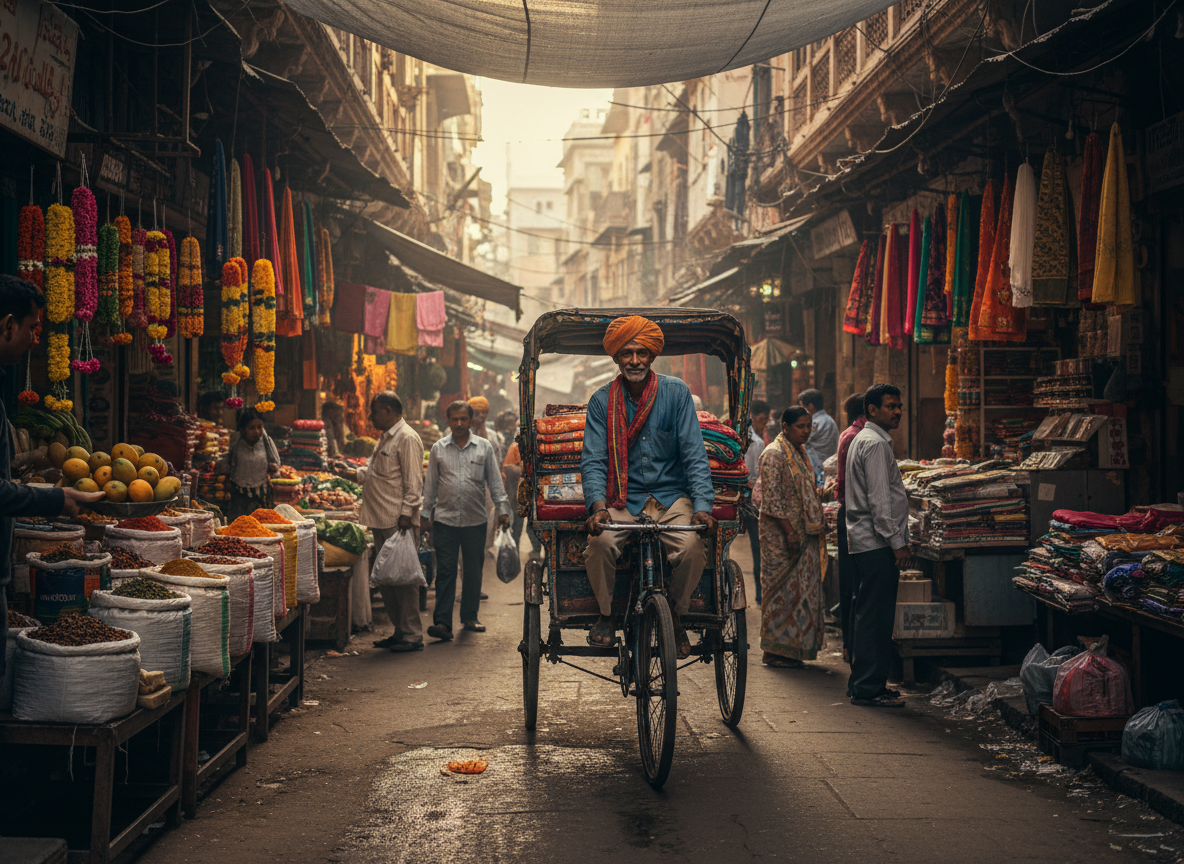
Long-distance trains are an experience, and seats often sell out, so book early through official channels. Domestic flights save time on big distances. In cities, ride-hailing, metros and auto or cycle rickshaws are common. Confirm the fare or meter before you set off, and keep small bills handy.

Costa Rica: buses, shuttles and small planes
Public buses are budget-friendly, shared shuttles are easier between popular spots, and short domestic flights save hours on mountain and jungle roads. Renting a car gives freedom but check insurance requirements carefully, and expect slower driving in rain and on unpaved routes.
The United States: distance changes everything
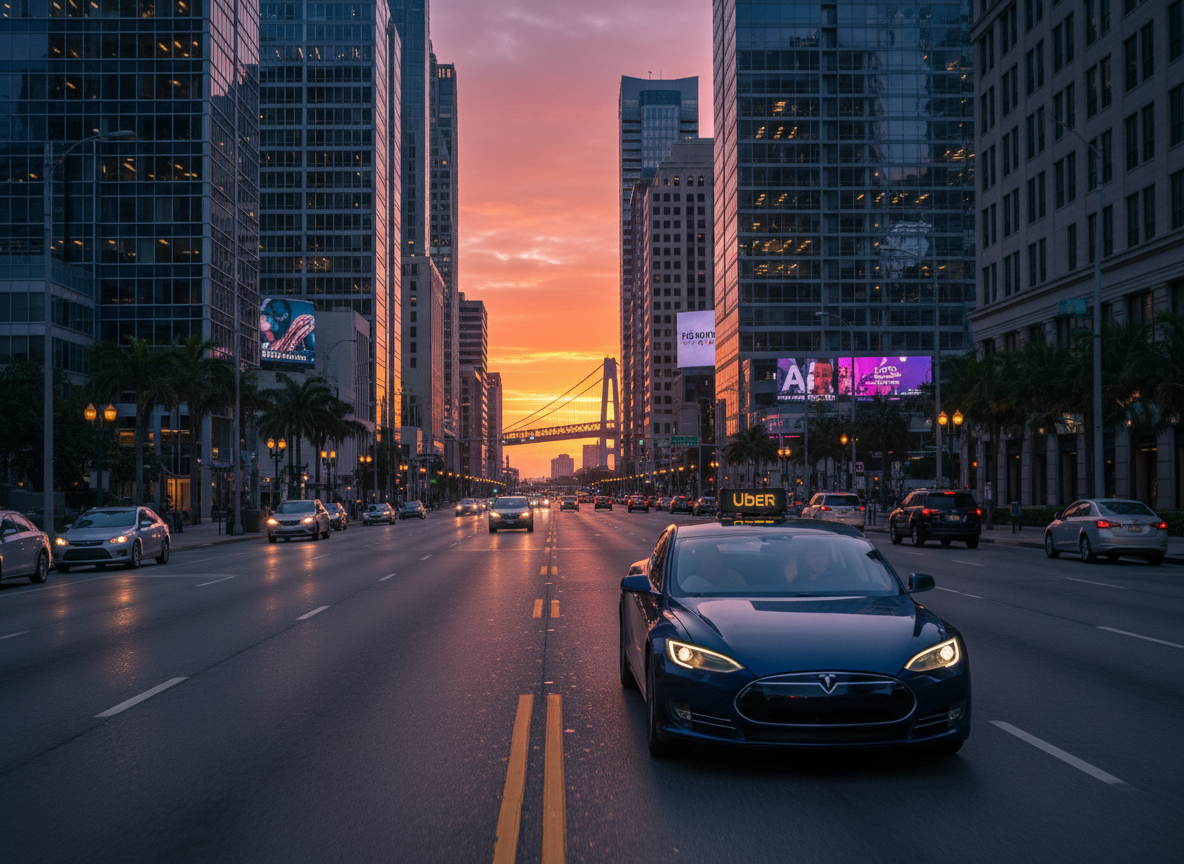
Cities are far apart, so domestic flights and road trips dominate. Within cities, transit quality varies widely, so ride-hailing with Uber or Lyft, bike-share and scooters fill the gaps. Car rental usually needs a credit card and a clear understanding of insurance options and local driving laws.
Everywhere else: Start with the local rule of thumb. Look for the dominant mode (rail, bus, boat, or two wheels), find the official operator, and ask your accommodation host what locals actually use. When in doubt, plan one flexible day for delays.
Planning workflow
From idea to itinerary in five steps
- Map the options on Rome2Rio. Enter your start and end points to see train, bus, flight, ferry and driving options side by side, with rough times and costs.
- Check the dates on Google Flights. Use the date grid and price calendar to spot cheaper days, and try flexible dates, nearby airports and one-way tickets.
- Compare official operators. Once you know your mode, visit the operator’s own site for current fares, baggage rules and conditions.
- Check for strikes, cancellations and service alerts. For trains, look at the official operator, station or national rail website; in Italy, check Trenitalia and Italo alerts and strike notices before committing to a ferry or flight.
- Build in a backup plan and a time buffer. Save the ticket rules, refund options and an alternate route, and leave extra time before ferries and flights.
Before you book
- Check official operator alerts
- Compare train, bus, and flight prices
- Confirm strike and cancellation policies
- Save backup routes
- Leave extra time before ferries and flights

